
beetroot
Beetroot – A Complete Guide 

Beetroot (also called beets) is a vibrant root vegetable prized for its earthy flavor, brilliant color, and health benefits. It can be eaten raw, roasted, boiled, or pickled.
1. Nutritional Benefits (per 1 cup cooked, 136 g)
Calories: ~60
Carbohydrates: 13 g
Fiber: 3–4 g
Protein: 2 g
Folate: 37% DV
Manganese: 22% DV
Potassium: 13% DV
Benefits:
Supports heart health (nitrates improve blood flow)
Rich in antioxidants (betalains)
Anti-inflammatory properties
Supports digestion (fiber-rich)
2. Selection Tips
Choose small to medium beets; they’re sweeter and tender.
Firm, smooth skin; avoid soft spots or cracks.
Leaves (beet greens) are edible—bright and crisp is best.
3. Storage
Refrigerate unwashed beets in a plastic bag for up to 2–3 weeks.
Beet greens: store separately, use within 2–3 days.
Can freeze after blanching or roasting.
4. Cooking Methods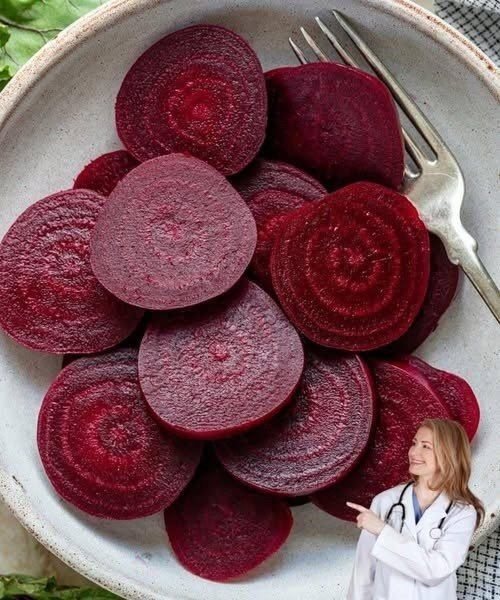
1. Roasting:
Wash and trim, keep skin on.
Roast at 400°F (200°C) 40–50 minutes until tender.
Peel after cooking if desired.
2. Boiling:
Simmer beets whole 30–45 minutes.
Peel after cooling.
3. Steaming:
Steam 20–30 minutes until tender.
4. Pickling:
Cook, peel, and slice beets.
Soak in vinegar, sugar, salt, and optional spices.
5. Raw:
Grate into salads or smoothies.
5. Flavor Enhancers
Citrus (orange or lemon) brightens earthiness
Fresh herbs (dill, parsley, thyme)
Garlic, balsamic vinegar, or ginger
Nuts or cheese (goat cheese, feta) for texture
6. Serving Ideas
Roasted beet salad with greens
Pickled beet side dish
Beet hummus or dip
Smoothies or juices
Beet chips (thinly sliced and baked)
 Pro Tips
Wear gloves when peeling to avoid staining hands
Don’t overcook—beets lose nutrients if too soft
Beet juice can stain clothing and surfaces—wipe spills immediately
If you want, I can also provide a list of 5 quick and delicious beet recipes, including roasted, pickled, and smoothie options.


0 Comments:
Post a Comment