
“Overcoming hardship: How a difficult childhood inspired a global icon.”
Few stories in music are as compelling and raw as that of Marshall Bruce Mathers III, better known as Eminem. Born into hardship, neglect, and abuse.
He transformed his pain into a creative force that would change the face of hip-hop forever. Today, Eminem is widely regarded as one of the greatest rappers of all time, a pioneer whose work resonates across generations and borders.
His story is not only about fame but also resilience, survival, and the transformative power of artistic expression. Marshall Mathers was born on October 17, 1972, in St. Joseph, Missouri. His early life was marked by instability and abandonment.
His father left the family when Marshall was still an infant, and he had little to no contact with him during his formative years.
Over time, he would attempt to communicate with his father by writing letters, but the relationship remained distant and strained. In interviews, Eminem reflected on this absence:“They’d tell me he was a good guy: ‘We don’t know what your mother’s told you, but he was a good guy.’ But a lot of times he’d call, and I’d be there — maybe I’d be on the floor coloring or watching TV — and it wouldn’t have been nothing for him to say, ‘Put him on the phone.’ He coulda talked to me, let me know something.”
Being raised in such an environment left a deep emotional impact on him. With no consistent male role model, Marshall looked to other figures for guidance. His mother, Debbie Mathers, struggled with her own issues, including alcohol and drug use. While some of her boyfriends provided temporary support, none offered the stable guidance that Marshall craved.
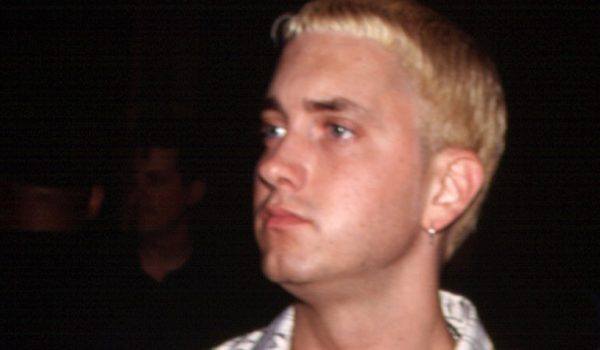
Marshall’s upbringing was further complicated by constant relocation. He and his mother frequently moved between Missouri and Detroit, Michigan, living in public housing and attending multiple schools.
The frequent moves made it nearly impossible to maintain stable friendships, leaving him isolated and vulnerable.
Continue reading…“I would change schools two, three times a year and that was probably the roughest part,” he said in interviews. “[I got] beat up in the bathroom, beat up in the hallways, shoved in the lockers, just, for the most part, being the new kid.”
At nine years old, the bullying escalated dramatically. Court papers indicate that he was beaten unconscious when a schoolmate hit him in the face with a snowball containing a heavy object during a game of “King of the Hill,” causing a concussion and temporary loss of vision in one eye.
His mother sued the Detroit school system for failing to protect him, though the case was ultimately dismissed.
The Home Environment: Neglect and Abuse
While school was challenging, home life was equally difficult. Marshall grew up in a household affected by substance abuse and instability.
Continue reading…He has publicly accused his mother of alcohol and marijuana abuse, prescription drug misuse, and, later in life, mishandling his earnings.
Although Debbie Mathers has denied many of these claims, she even filed a $10 million defamation lawsuit against her son, which was eventually reduced to $25,000 after legal fees.
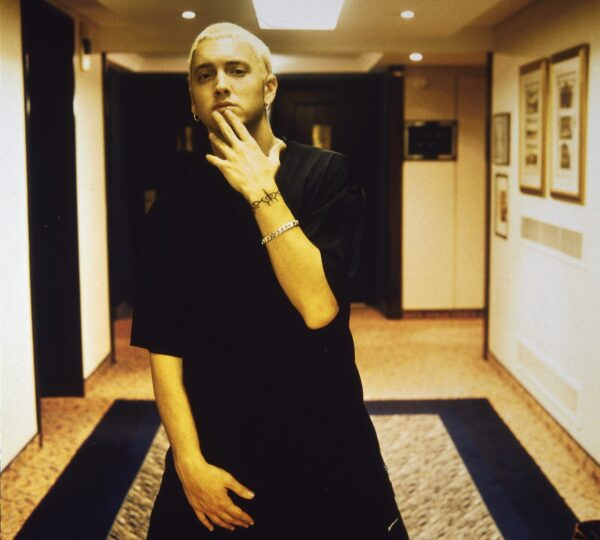
In interviews, Eminem described feeling emotionally neglected. He recalled:
“Everybody was saying, ‘That child is out of control, he needs to be spanked, he’s not minding, he’s a monster.’ And so on. I never allowed anybody to raise their voice to him. I didn’t believe in spanking.”
This fraught relationship created emotional wounds but also became a catalyst for Eminem’s artistic expression. The tension, neglect, and adversity he experienced would later be channeled into his music, providing the raw authenticity that fans around the world admire.Bullying and School Struggles
Adding to his challenges at home, Eminem faced severe bullying at school. As a white child growing up in a predominantly Black area of Detroit, he often stood out and became a target for harassment. His experiences were brutal and unrelenting, ranging from verbal taunts to physical beatings.
“Cause as far as father figures, I didn’t have any in my life. My mother had a lot of boyfriends… Some of ’em I didn’t like; some of ’em were cool. But a lot would come and go.
My little brother’s dad was probably the closest thing I had to a father figure. He was around off and on for about five years. He was the dude who’d play catch, take us bowling, just do stuff that dads would do.”
The constant bullying and lack of parental guidance contributed to emotional turmoil. By his early teens, Eminem had developed a defensive toughness, often responding to aggression with his sharp wit and lyrical creativity.Finding Music: A Creative Outlet
Despite his struggles, Eminem discovered a path that would define his life. He found solace in music, specifically rap, which became both an escape and a platform for self-expression.
At age 14, he seriously considered a career in rap, channeling the anger, pain, and frustration from his early life into rhymes
He began performing in local Detroit clubs, honing his skills, and developing a reputation for his raw lyrical ability and relentless work ethic.
Early on, he adopted the alter ego Slim Shady, a persona that allowed him to express darker, more violent themes that reflected his internal struggles. This alter ego would become central to his early albums and define his provocative, boundary-pushing style.
global icon.”
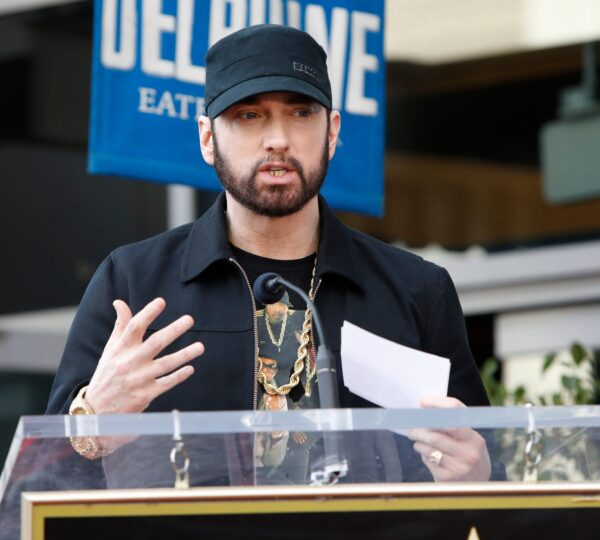
Early Career Breakthrough: The Slim Shady LP
Eminem’s first major breakthrough came when music legend Dr. Dre discovered him. Their collaboration on The Slim Shady LP catapulted Eminem into the national spotlight.
The album, released in 1999, showcased his unparalleled lyrical dexterity and storytelling ability, blending humor, anger, and raw emotion. Tracks like My Name Is introduced the world to a unique voice that was unapologetically honest, fiercely energetic, and profoundly relatable.
The success of The Slim Shady LP marked the beginning of Eminem’s ascent to superstardom. He became known not only for his skillful rhymes but also for his willingness to confront painful truths about his upbringing, family, and personal


0 Comments:
Post a Comment