
The experts say that loads of people 'unknowingly engage in daily habits that contribute to yellowing teeth'


Maintaining a set of pearly whites can be hard work, even if you are putting your all into dental hygiene.
Despite brushing twice a day, flossing and attending check-ups regularly, your gnashers still might not look the part - which is quite the kick in the teeth, pardon the pun.
But it turns out that a lot of people are actually counteracting their efforts to achieve a dazzling white smile by committing cardinal mistakes on a daily basis.
Experts at the Glenhuntly Dental Clinic have shared some advice for people, as they explained that loads of patients 'unknowingly engage in daily habits that contribute to yellowing teeth'.
The Australian dentistry reckons that there are half a number of key errors that people make, which leave their teeth sporting an unfortunate hue .
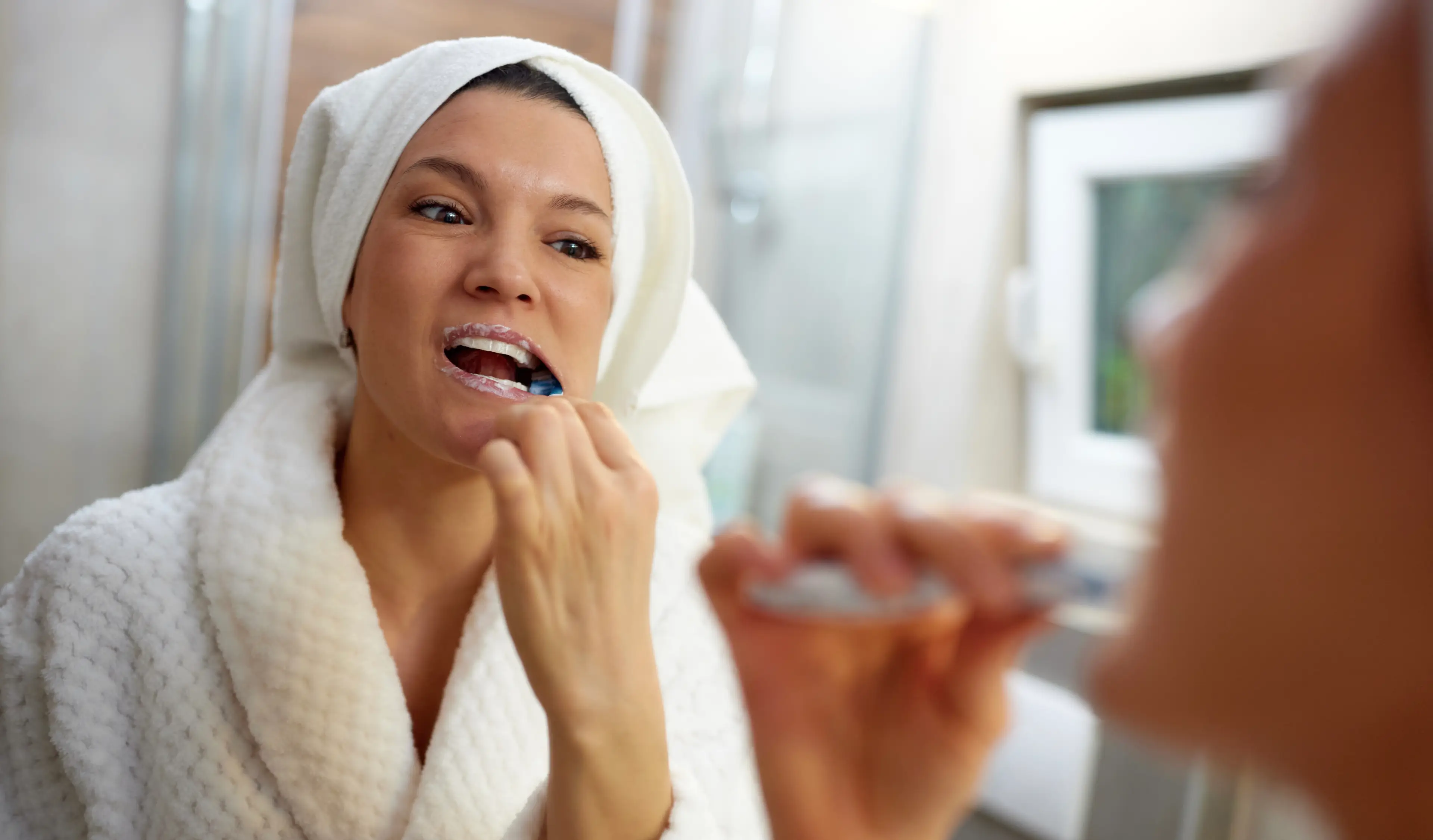
Why are my teeth yellow?
It seems a lot of people don't realize that several lifestyle factors can have an impact on our teeth.
Drinking staining beverages

Your yellowing might not be down to having poor oral health - as the Glenhuntly dentists pointed out that drinking stain-worthy beverages will cause the coloring of your teeth to change.
“Coffee, tea, red wine, and soft drinks contain pigments that stick to enamel, leading to discolouration,” it says. "Without proper cleaning, these stains become harder to remove over time."
So, act sooner rather than later if any of your tipples have left a mark.
Not drinking enough H2O
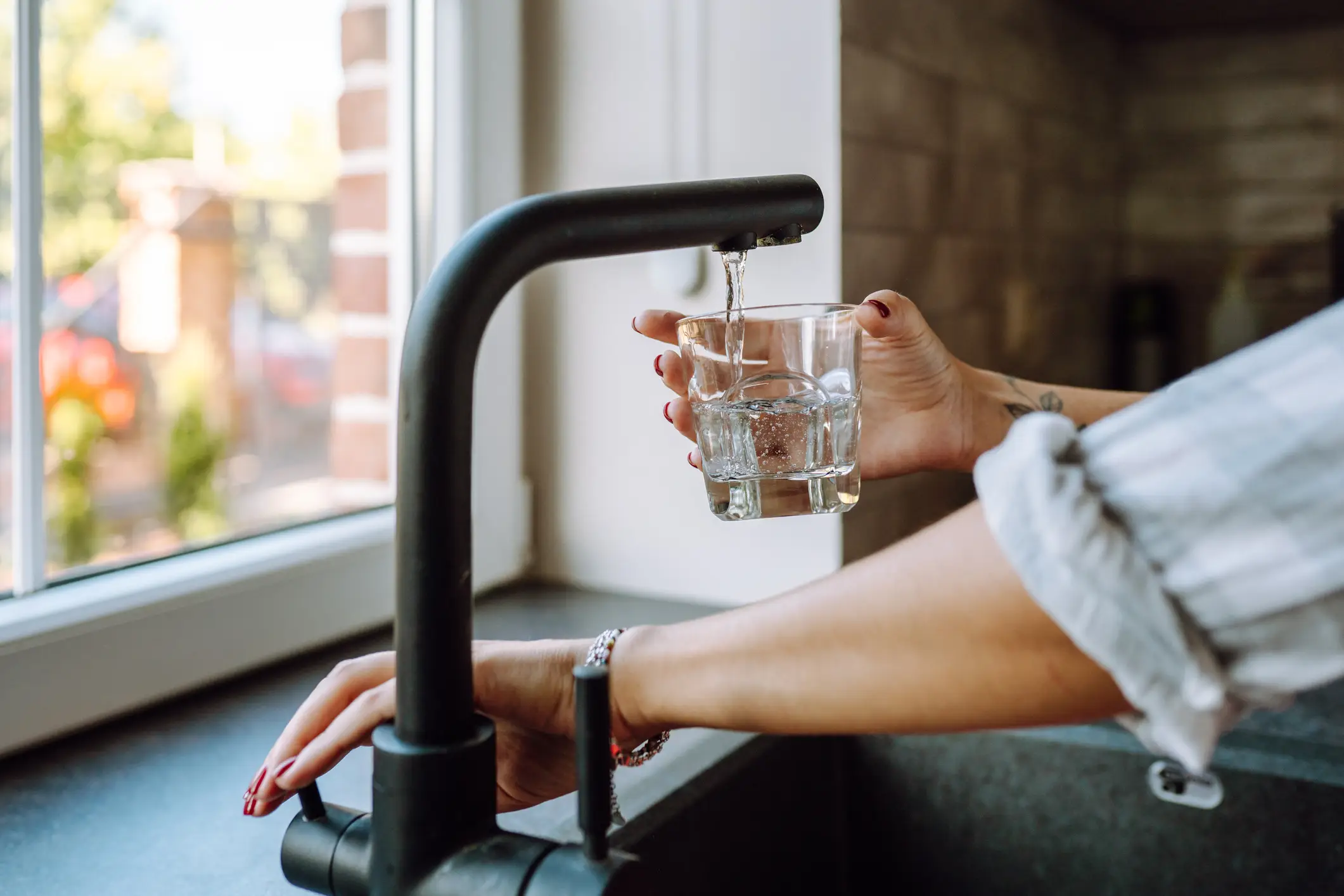
Talking of drinks, swerving water for other types of refreshments is shooting yourself in the foot, the dentists say.
“Water is essential for oral health,” they explain. "It helps wash away food particles and bacteria that cause staining. A dry mouth, often caused by dehydration, increases the risk of yellowing teeth."
Eating acidic foods
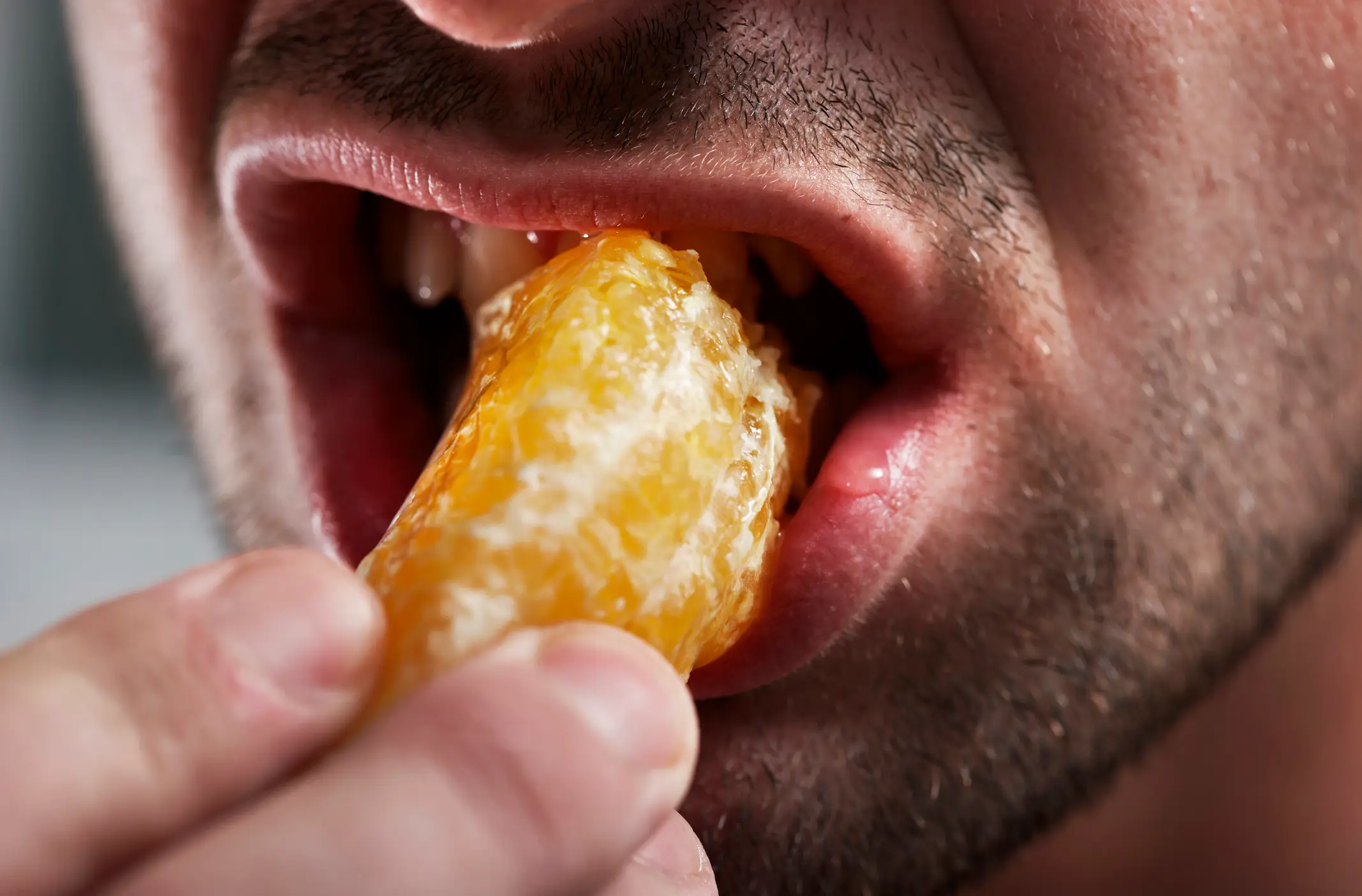
Shovelling down sugary and acidic foods - such as citrus fruits, vinegar, and processed snacks - also has a knock-on effect on your gnashers.
Again, these items make your teeth 'more vulnerable to staining', so you might want to define your diet if you're wanting to acquire a bright white smile.
The dental experts at Glenhuntly recommend following a 'diet rich in calcium and low in sugar' to protect your enamel and keep your teeth white.
Overbrushing
They went on to warn that 'over brushing or using a hard-bristled toothbrush' will weaken your enamel over time, 'exposing the yellowish dentin underneath'.
So although you want to clean your teeth thoroughly, don't take it too far. Opt for a gentle technique rather than frantically scrubbing them.
Forfeiting flossing

UK Online Casinos in 2026: Best Games, Bonuses and Live Casino Entertainment
The online casino market in the UK continues to grow by the day


The online casino market in the UK continues to grow by the day, with a wide range of games, bonuses and entertainment now on offer. From your classic table games to live dealer experiences, the options for enjoyment are endless.
However, with so many platforms available, knowing which ones are safe, fair and legitimate is now more important than ever. This is where Casino.org come in.
Since its inception in 1995, Casino.org has been built around the simple idea of helping players make informed decisions.
Rather than overwhelming users with empty claims and marketing, it focuses on offering reliable, trusted and honest casino reviews.
Each platform is carefully assessed based on a 25-step review process focusing on key factors such as licensing, security, quality, payment options, customer support and overall experiences for the player.
This allows a quick and easy comparison site for users to choose the best option with confidence, with an unrivaled level of insight from their leading team of experts.
But they don't stop there. Bonuses are more prominent and enticing than ever and Casino.org also highlight the best ones available to their audience, while also explaining the key details like wagering requirements and hidden terms, which can often be overwhelming.
No one likes an unnecessary surprise, and the site ensures all users are fully informed before making a decision.
Casino.org also extend beyond reliable reviews and offers free-to-play casino games. Meaning you can take in all the enjoyment, with zero of the financial risk.
This creates a perfect hub for developing an understanding of how games work in a safe and controlled environment, before delving into the fun of the online casino world.
Responsible gambling is at the forefront of their thinking throughout the process, with the platform actively encouraging safer play, promoting the setting of limits and providing access to any resources of support that players may need.
Casino.org have even partnered with England football legend Michael Owen as a new ambassador to strengthen their commitment as the best and most reliable site for online casino reviews, with the former Liverpool and Real Madrid striker saying: “I'm thrilled to be Casino.org ’s UK & Ireland Affiliate Ambassador for 2026.
“As gambling continues to grow in the UK, it was important for me to be involved with a brand that prioritises player safety.
“ Casino.org ’s reputation for expertise and integrity aligns with my personal values, and I’m excited to be on board.”
If it's good enough for a Ballon d'Or winner, it's good enough for you! For anyone looking to explore an online casino with confidence, compare bonuses, or enjoy free games, there is no better place to look than Casino.org .
Featured Image Credit: Casino.org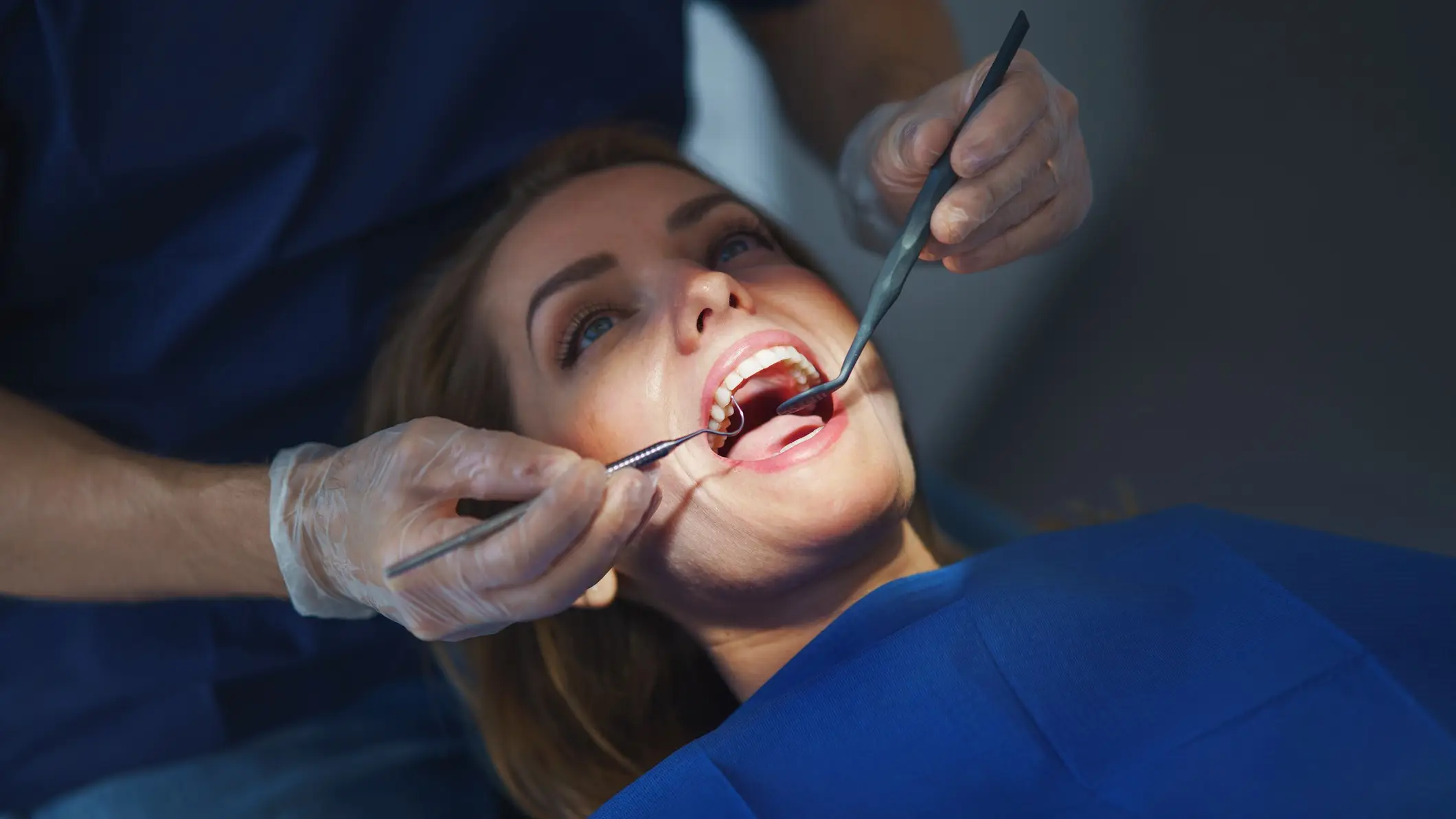
Dentist warns sparkling water is doing more damage to your teeth than you thought
Sparkling water might be causing long term damage to your teeth

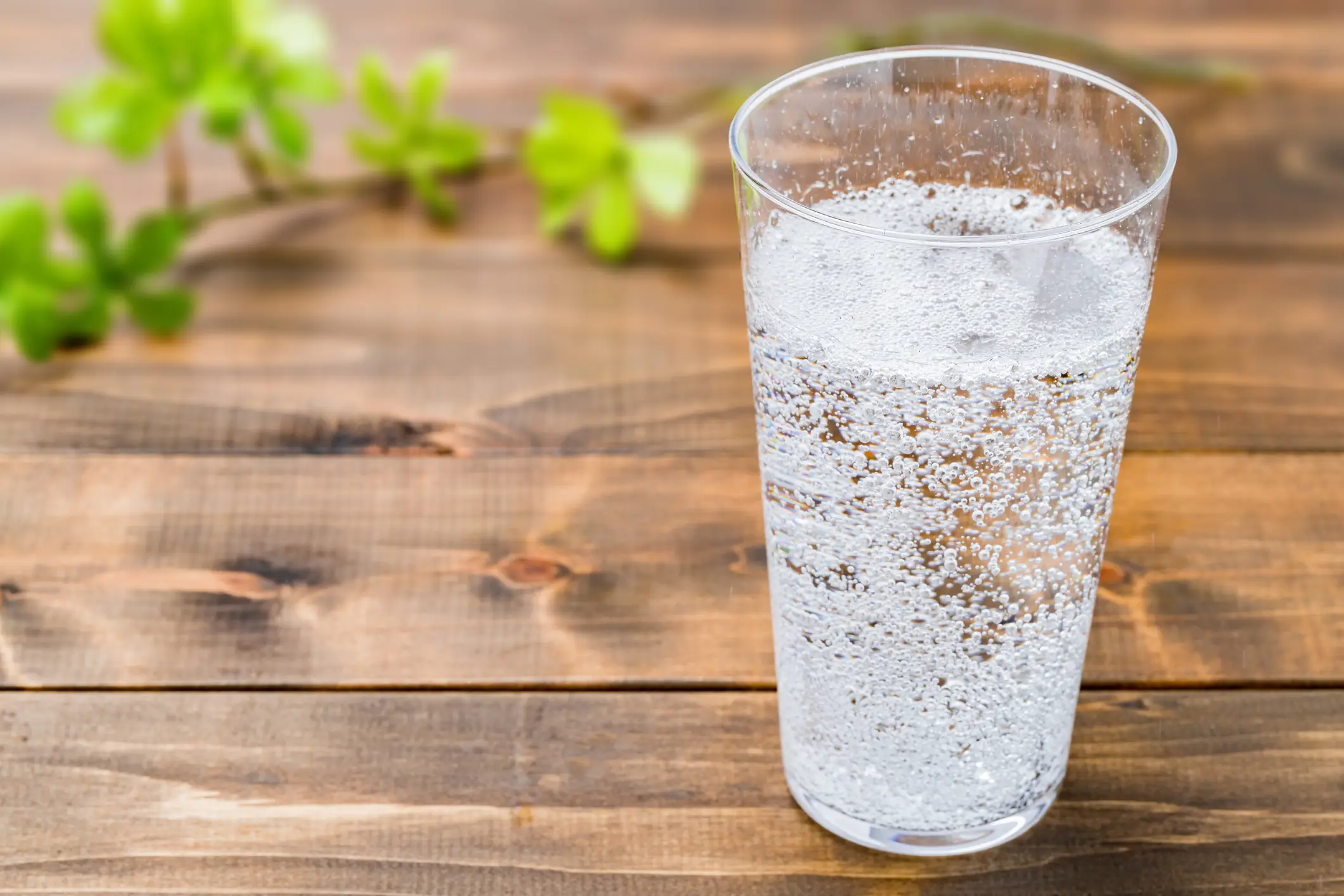
Sparkling water might have a polarizing taste, but the people who love it tend to swear by it.
When the waiter comes over and asks if you'd like still or sparkling, there is no hesitation when the carbonated drink is accompanied by ice and lemon.
Others love to use it as a mixer, while some just have it as a healthier alternative to fizzy soft drinks.
The problem is that it could be doing more damage to your teeth than you realize.
Dr Ben Atkins, a spokesperson for the Oral Health Foundation, told iNews that normal water has a pH level, while sparkling water neutral 'etches' the teeth because it is acidic.
“It's the carbonic acid, the bubbles, that cause the problem,” he explained.

“Carbonic acid is a very mild acid, but it's still acid and can be bad for your teeth.
"That means it takes material off it.
“Then next time you rub it against food or something else, very, very small bits of enamel break off.
"Over your lifetime that can be a lot of enamel."
Dr Praveen Sharma, associate professor and honorary consultant in Restorative Dentistry at the University of Birmingham , also noted that sparkling water 'has the potential to affect teeth by eroding the outer layer of enamel of the tooth'.
“If sparkling water is flavoured, particularly with citrus flavours, then the erosive potential is greater,” Dr Sharma said.
That's why she prefers for her patients to drink still water.
“It's a simple health message: If you're worried about erosion, don't drink fizzy water,” the expert continued.
"I've seen patients who have lost 50 or even 80–90 per cent of their crown, or the top of their teeth, because of acidic reflux and fizzy drinks."
But if you can't bear the thought of choosing it over normal water at a restaurant, then there is a solution.
“Avoid sipping over long periods, and use a straw,” the British Dental Association’s (BDA) advisor adds.
"In addition, rinse with water after drinking and don't brush immediately after consumption to avoid 'rubbing the acid' into the teeth."
Dr Atkins also admitted that having it once a week is not a problem.
"But if you're having three bottles of fizzy water a day, yes, well, let's take a step back and look at that. Pop it into the treatment section – so it's not every day," the dentist warned.
Topics: Health , Food and Drink
Nutritionist warns of harmful effects of taking daily vitamins
Should you be taking them, or should you just eat healthily anyway?

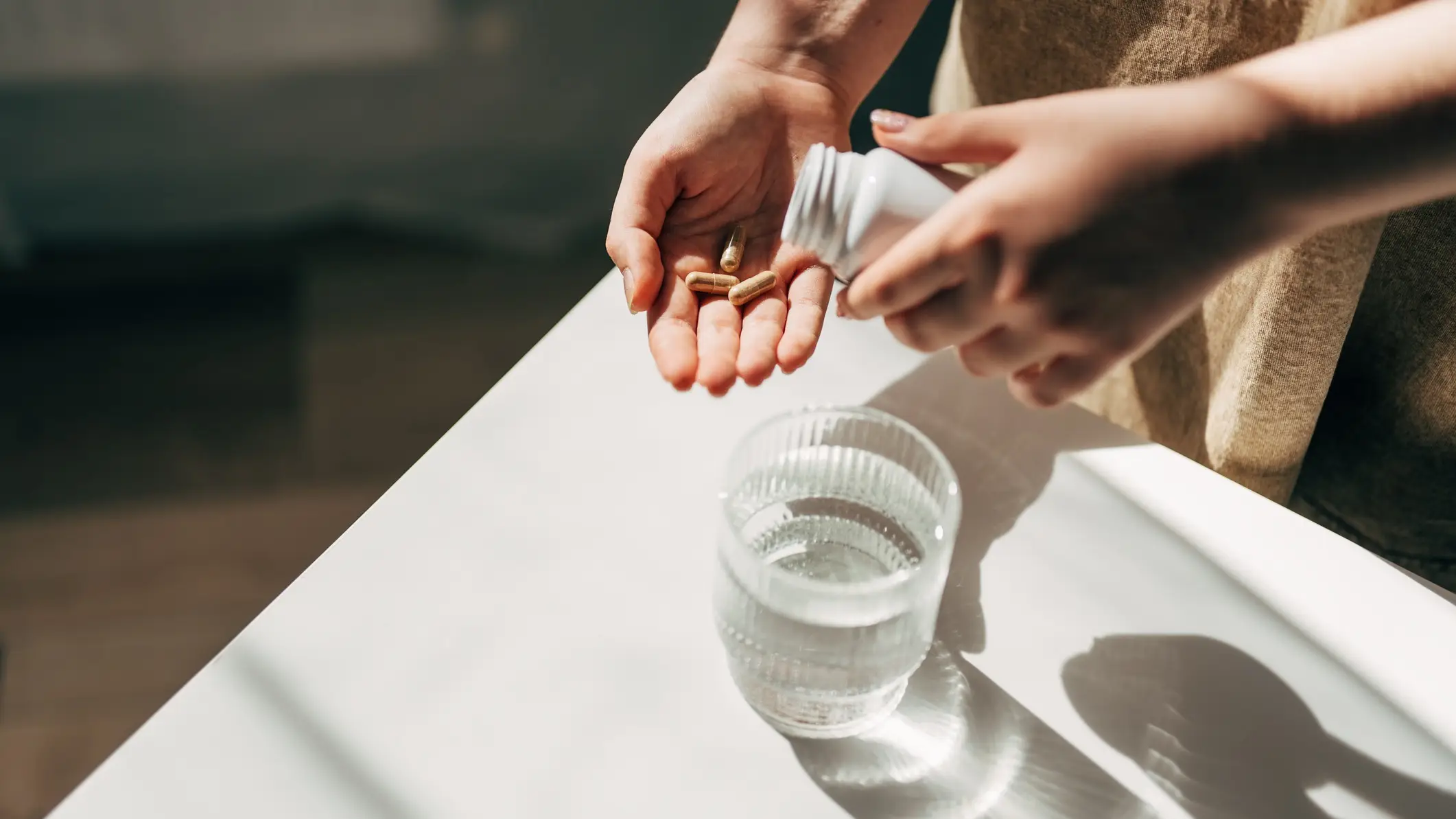
A nutritionist has warned that taking vitamin supplements could come with some harmful effects along with the health benefits they're supposed to provide.
Lots of people aren't getting enough of what they need when it comes to all the vitamins and nutrients that are supposed to be provided through diet and lifestyle .
This is where supplements come in - they've become quite the lucrative market for the health afficionados among you, though the scientific evidence on taking all of these extra vitamins is mixed.
Some studies suggest that they don't really do much of anything to help your body while others have even found possible downsides.
As such, nutritionist Dr Carol Granger told the Express that when it came to taking your daily vitamins some supplements were good but others were downright bad for you.
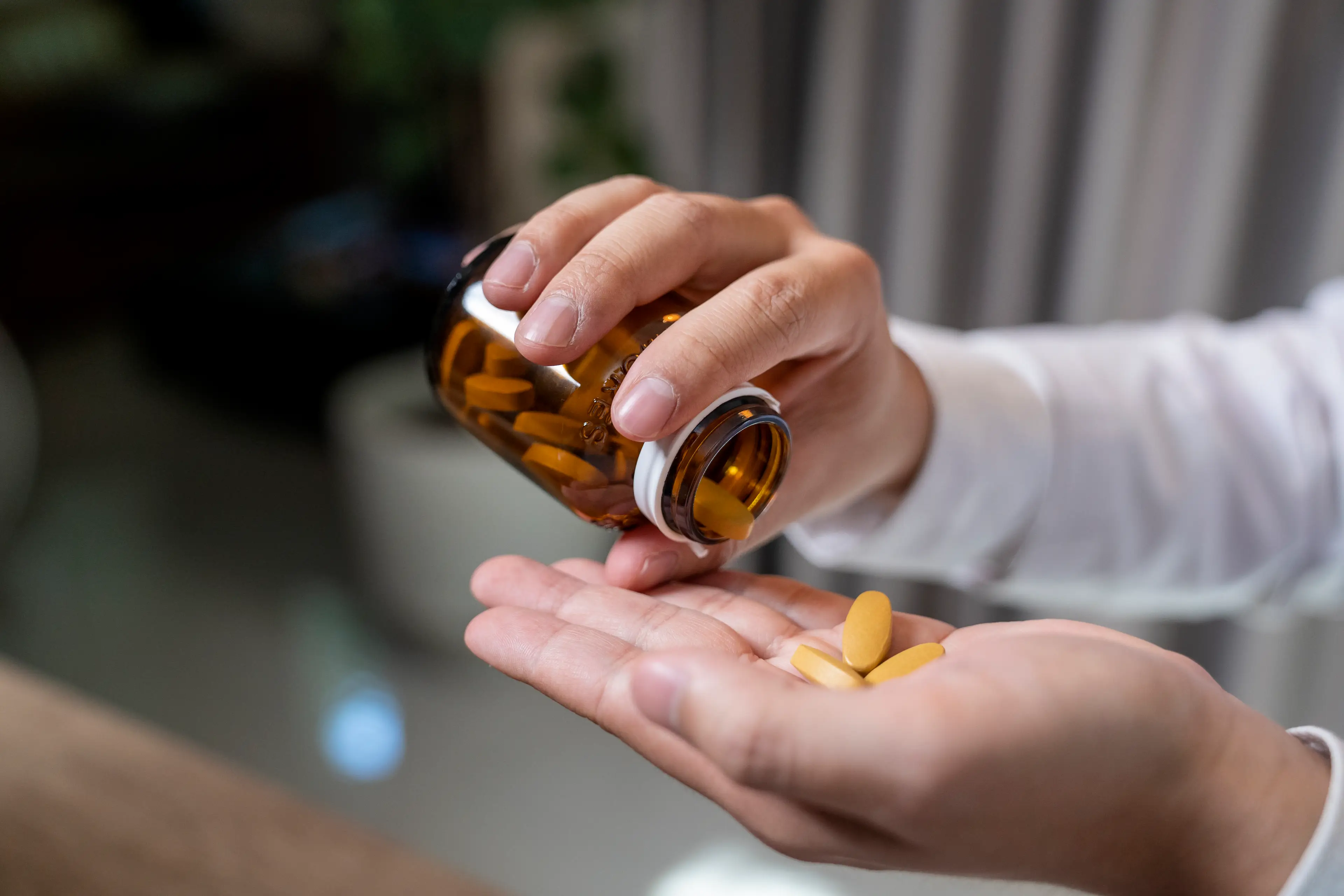
“People think supplements are healthy, and while some can be, others can be as detrimental to health as ultra-processed foods when taken regularly in large amounts,” the doctor explained.
It really is a mixed bag, as nutritionist Aimee Benbow added that capsules are less processed and more natural than tablets, and advised people to 'dig deeper and ask questions' about what's going into the supplements.
She added that you should watch out for white tablets in particular as they 'often use titanium dioxide ', which is something you'll most often find in toothpaste for whitening.
The European Food Safety Authority banned titanium dioxide as they can't consider it safe but it's still allowed in the UK.
One of the other problems besides what's potentially harmful in there is that you can have too much of a good thing as the BBC reports that some supplements pushed by influencers contain up to five or 10 times as much as the recommended daily allowance of what they're offering.
People can end up in hospital from the dangers of 'mega-dosing' vitamins, as getting too much Vitamin D can result in seizures or put you in a coma.
In the worst of scenarios it could even kill you, while too much Vitamin A can result in body pain, a coma and death.
You'd need to take A LOT to be experiencing these harmful effects, but it's still something to be conscious of.
Getting your vitamins is important and the best way to do that is through your diet and lifestyle.
There are studies which have found benefits to daily vitamins.
Superdrug pharmacy superintendent Niamh McMillan explained to the Express there were 'a variety of reasons' why supplements contain extra ingredients.
She added: “These are not harmful and have undergone rigorous safety testing before they can be used in the manufacture of supplements.”
McMillan further pointed out that the Department of Health and Social Care recommends everyone should take a Vitamin D supplement during autumn and winter.
Topics: Health , Science , Food And Drink , Lifestyle
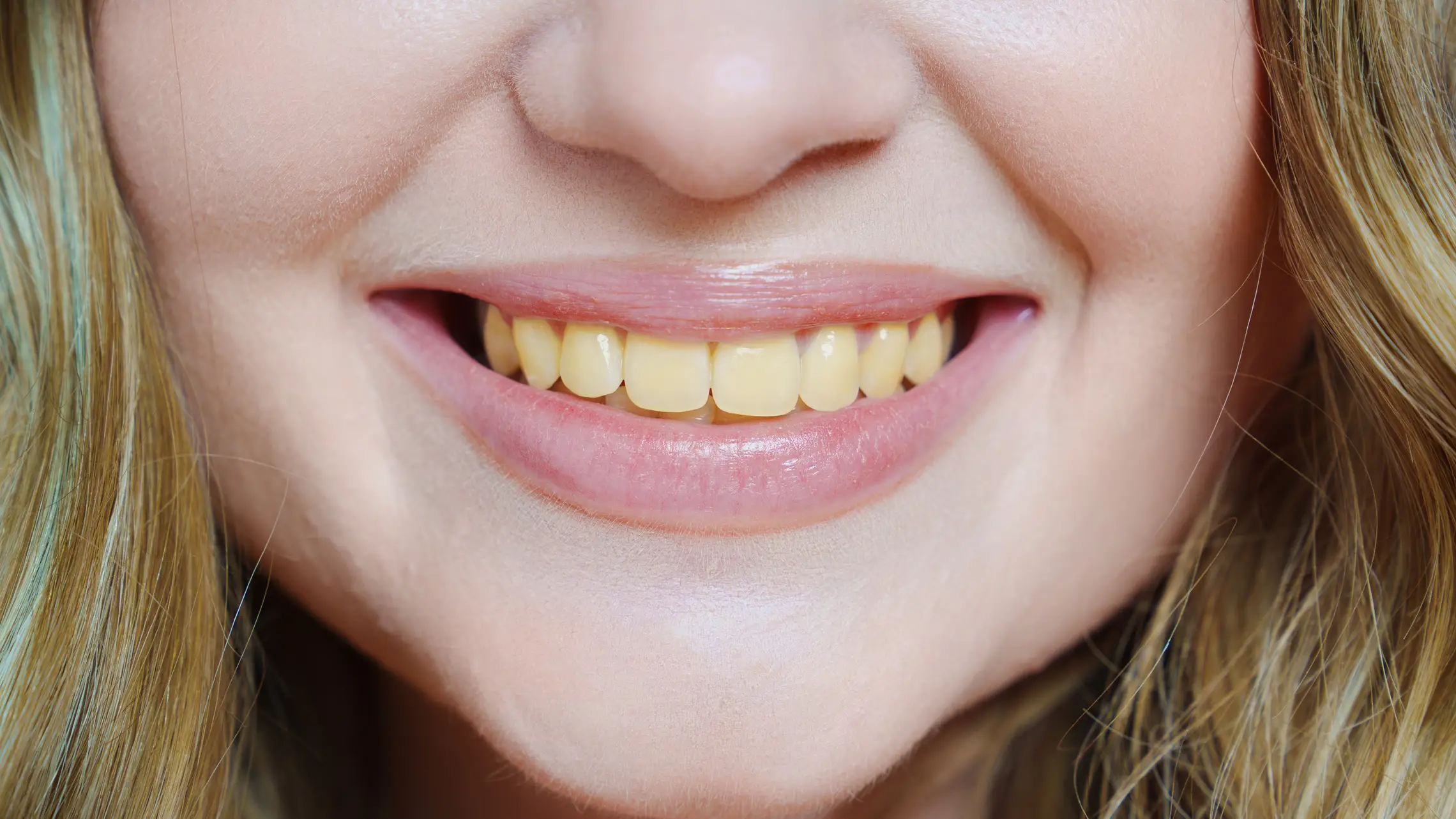
Dentist shares the common bathroom mistake that causes people's teeth to turn yellow
Are you guilty of these dental sins?

Ever looked in the mirror and despaired about the fact that no matter how hard you try, your teeth just won't bud from that pale shade of canary yellow?
Well, there could be a reason for that.
One of the many devastating things you learn as an adult is that brushing your pearly whites alone is not enough to keep them glaming. There's also flossing, mouthwash and cutting back on your coffee consumption to keep in mind.
Should this sound like you, then don't feel too ahamed, as there is an entire wealth of information readily available from dentists which could help fix the issue .
One person to weigh in on the topic is Dr Sarah Sadek, who previously shared a clip on common offenders for causing yellow teeth on YouTube Shorts.
What causes your teeth to go yellow?
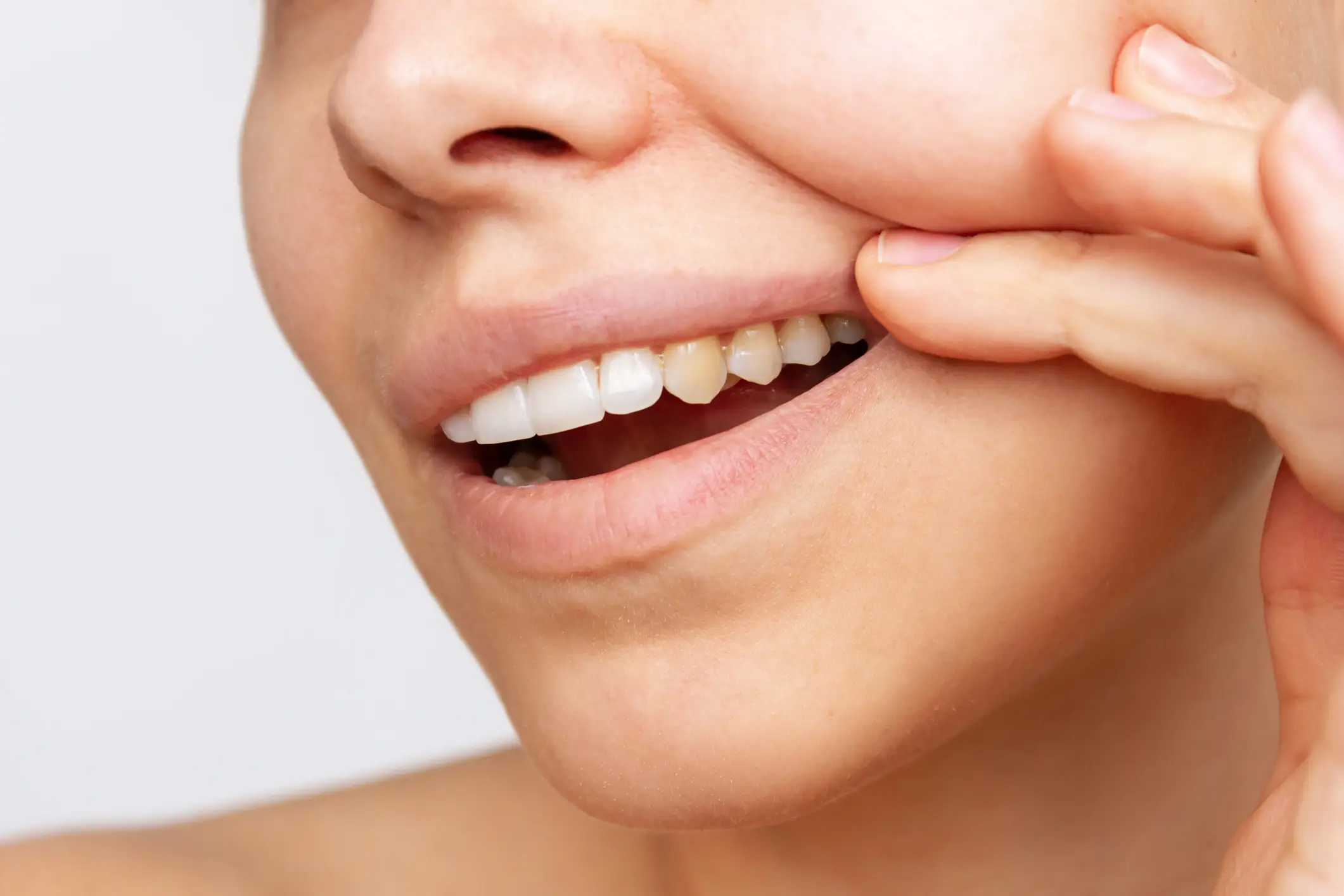
Brushing too hard
You may think that giving your teeth a thorough scrub is essential to making sure you get all of the plaque and rogue bits of food out of your gums, but it turns out that brushing too hard is also detrimental to your teeth.
This is because brushing too hard or over-brushing can damage the enamel coating on your teeth, which is crucial to maintaining white teeth.
According to Willow Tree Dental, yellow teeth isn't the only undesirable side effect of brushing your teeth too hard either, as eroding your enamel barrier can also increase tooth sensitivity. The site goes on to add that an extended period of brushing too much or too hard can cause gum recession, an increase in plaque buildup, and even the dreaded cavities.
Using too much toothpaste
Similar to giving your teeth a deep clean, most of us would probably assume that chucking more toothpaste on the brush is a good idea.
Well, think again.
Not only does this mean that you're spending a small fortune on several tubes of toothpaste every month, but you're also putting yourself at risk of getting the unwelcome yellow stains.
Just like brushing too hard, too much toothpaste can erode plaque and can also lead to a condition called fluorosis, which leads to staining on teeth in extreme circumstances.
At this point, I'm starting to release how many gaps there are in my dental knowledge.
Drinking juice without a straw
Last on the list is likely the most obvious of the three pieces of advice given by Dr Sadek, which is that how you consume drinks has an impact on your teeth.
READ MORE
DENTIST REVEALS WHY YOU SHOULDN'T USE MOUTHWASH AFTER BRUSHING YOUR TEETH
This piece of advice is backed up by BUPA, who advise that using a straw for consuming anything fizzy or acidic will prevent every sip of the drink splashing over your gnashers.
Obviously this isn't the most environmentally friendly piece of advice, so it might be worth investing in some paper or reusable straws if you're following this rule.


0 Comments:
Post a Comment