Wednesday, December 24, 2025

Ready in 5 Minutes! This Milk and Fruit Hack Is the Easiest Dessert You'll Ever Make.

by
Description

 Fruit and milk dessert – Fruity yogurt jelly

A fresh, colorful and tasty dessert! Perfect as a sweet end to a meal, or as a light and vitamin-rich snack. This smooth mixture of milk, yogurt and seasonal fruit solidifies thanks to agar-agar, a natural gelling agent that gives it a melting texture.

๐Ÿ“ Ingredients (for 6 to 8 servings)

  • 2 tangerines

  • 2 kiwi

  • 1 persimmon

  • 1 grapefruit

  • 1 apple

  • 1 banana

  • 8 g agar-agar

  • 50ml water

  • 350ml milk

  • 200 g sweetened condensed milk

  • 200 g thick crรจme fraรฎche   or thick natural yoghurt

  • (Optional)   A little yogurt smoothie   for decoration or serving

๐Ÿ‘ฉ‍๐Ÿณ Preparation

Read more on the next page >>

For the complete cooking steps, please go to the next page or open the button (>) and don’t forget to SHARE with your Facebook friends.

1️⃣ Prepare the fruit

  1. Peel and cut   all fruit   into small, even pieces: tangerines into quarters, kiwi and persimmon into cubes, grapefruit into supremes, apple and banana into slices.

  2. Mix them gently in a large bowl and refrigerate.
    ๐Ÿ’ก Tip: To prevent the banana from turning brown, drizzle it with a little lemon juice.

2️⃣ Prepare the agar-agar mixture

  1. Mix agar-agar and water   (50 ml) in a small saucepan.

  2. Heat gently for 1 to 2 minutes, stirring constantly, until the agar-agar is completely dissolved.
    ⚠️ Do not let it boil for too long, as this may impair its gelling properties.

Read more on the next page >>

For the complete cooking steps, please go to the next page or open the button (>) and don’t forget to SHARE with your Facebook friends.

3️⃣ Prepare the milk base

  1. In another saucepan, pour   the milk   and heat it over medium heat.

  2. Add the   sweetened condensed milk   and bring to a boil for 1 to 2 minutes, stirring constantly.

  3. Remove from heat and then stir in   the cream or yogurt  . Mix until smooth and homogeneous.

4️⃣ Mount

  1. Immediately pour the dissolved agar-agar mixture into the milk preparation, stirring constantly.

  2. Then add the   chopped fruit   and mix gently so that it is evenly distributed.

  3. Pour the mixture into a large mold or several individual ramekins (about 1.5 liters total).

Read more on the next page >>

For the complete cooking steps, please go to the next page or open the button (>) and don’t forget to SHARE with your Facebook friends.

5️⃣ Fridge

  1. Let cool to room temperature for 15 to 20 minutes.

  2. Then place in   the refrigerator for at least 4 hours  , until the gel has set.

๐Ÿฝ️ Service

  • Carefully pour the batter onto a serving platter.

  • Slice or dice as desired.

  • Serve chilled, accompanied by a small   yogurt smoothie   or a splash of   red fruit coulis   for extra enjoyment.

Read more on the next page >>

For the complete cooking steps, please go to the next page or open the button (>) and don’t forget to SHARE with your Facebook friends.

๐ŸŒŸ Tips and variations

  • ๐Ÿฅญ Exotic variation:   replace the apple and banana with mango and pineapple.

  • ๐Ÿซ Gourmet version:   add some white chocolate shavings before pouring into the mold.

  • ๐Ÿฏ Lighter options:   use skimmed milk and natural yogurt with 0% fat.

  • ๐Ÿ’ก Texture tip:   if you prefer a softer jelly, reduce the amount of agar-agar to 6 g.

For the complete cooking steps, please go to the next page or open the button (>) and don’t forget to SHARE with your Facebook friends.

Choose the Odd Animal: What It Reveals About Your Confidence and Empathy

by
Description

At first glance, this quiz appears to be a simple mental exercise. You’re shown four animals—a tiger, dog, cat, and lion—and asked to choose which one doesn’t belong. While it seems straightforward, your choice can offer a playful reflection of your personality, touching on traits like confidence, empathy, independence, and self-perception. It’s meant as a lighthearted exploration rather than a scientific evaluation.

Choosing the tiger suggests boldness, determination, and a strong sense of independence. Those drawn to the tiger are often ambitious and willing to stand alone to stay true to their path. Their natural leadership and drive can inspire others, though at times it may come across as overly self-reliant. Balance comes from using that strength to uplift, rather than overshadow, others.

Selecting the dog points to loyalty, compassion, and a focus on relationships. People who pick the dog tend to value emotional connection, teamwork, and trust. They measure success through the well-being of others and are likely the ones friends turn to for support. Empathy and devotion are hallmarks of this choice, creating a quiet but meaningful impact on those around them.

From a biological perspective, the dog is the odd one out—it’s the only non-feline among the group. Symbolically, choosing the dog highlights the importance of loyalty and empathy in your personality. This answer reflects someone who prioritizes connection, cares deeply for others, and defines self-worth through relationships rather than status, making it a revealing glimpse into how you navigate the world.

Doctors reveal what eating apples really does to your body

by
Description

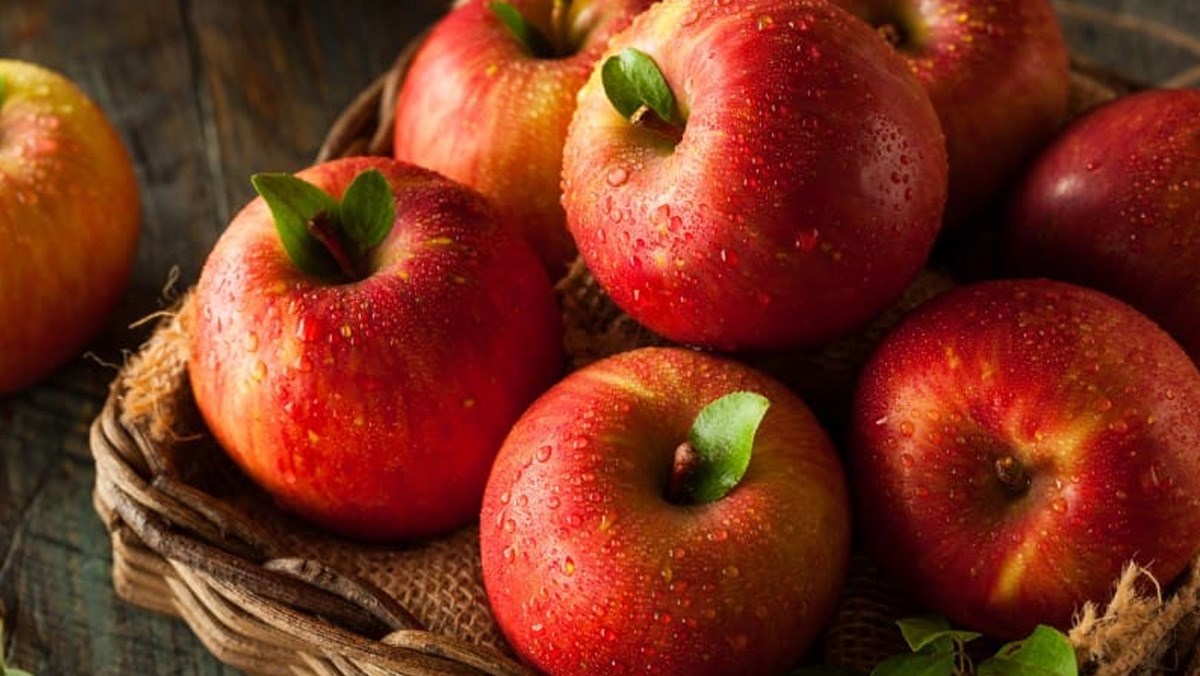
Apples are one of the most widely consumed fruits in the world. Easy to find, affordable, and naturally sweet, they are often seen as a symbol of everyday health. You’ve probably heard the saying, “An apple a day keeps the doctor away.” But what does modern science actually say about eating apples regularly?

Doctors and nutrition experts agree that apples offer a wide range of health benefits when eaten in moderation. However, like all foods, apples are not ideal for everyone. Understanding both their benefits and limitations can help you enjoy apples safely and wisely.

Lแปฃi รญch khรดng ngแป cแปงa tรกo vแป›i ngฦฐแปi trรชn 50 tuแป•i

What Happens to Your Body When You Eat Apples Regularly?

1. Improved Digestive Health

Apples are rich in dietary fiber, especially pectin, a soluble fiber that supports healthy digestion.

Benefits include:

  • Promotes regular bowel movements

  • Helps prevent constipation

  • Feeds beneficial gut bacteria

  • Supports overall gut balance

Pectin also slows digestion, helping you feel full longer and supporting blood sugar control.

2. Better Heart Health

Doctors often recommend apples as part of a heart-healthy diet.

Apples may help:

  • Lower LDL (“bad”) cholesterol

  • Improve blood vessel function

  • Reduce inflammation

  • Support healthy blood pressure

Flavonoids and polyphenols in apples act as antioxidants, protecting the heart from oxidative stress.

ฤ‚n mแป™t quแบฃ tรกo mแป—i ngร y cรณ tรกc dแปฅng bแบฅt ngแป

3. Blo.od Sugar Stabilization (When Eaten Correctly)

Despite being sweet, apples have a low to moderate glycemic index. The fiber slows sugar absorption, helping prevent sharp blood sugar spikes.

For most people:

  • Apples support steady energy levels

  • Reduce sugar cravings

  • Lower the risk of insulin resistance when eaten whole

Eating apples with protein or healthy fats (like nuts or yogurt) further improves blood sugar balance.

4. Weight Management Support

Apples are low in calories and high in water and fiber, making them filling without being energy-dense.

They can:

  • Reduce overall calorie intake

  • Help control appetite

  • Support healthy weight loss plans

Doctors often recommend apples as a snack instead of processed sweets.

5. Brain and Cognitive Support

Apples contain antioxidants like quercetin, which may help protect brain cells from oxidative damage.

Potential benefits include:

  • Reduced risk of age-related cognitive decline

  • Support for memory and learning

  • Protection against neuroinflammation

While apples aren’t a cure for brain disease, they contribute to long-term brain health as part of a balanced diet.

6. Stronger Immunity

Vitamin C and plant compounds in apples help strengthen the immune system.

Regular consumption may:

  • Support white blood cell function

  • Reduce inflammation

  • Improve the body’s defense against infections

Although apples don’t contain extremely high vitamin C levels, their antioxidants still play an important role.

7. Better Oral Health

Chewing apples stimulates saliva production, which helps reduce harmful bacteria in the mouth.

This can:

  • Reduce plaque buildup

  • Improve breath freshness

  • Support gum health

However, apples do not replace brushing and flossing.

How Many Apples Are Healthy?

Most doctors recommend:

  • 1 medium apple per day, or

  • 3–5 apples per week

This amount provides benefits without excess sugar or digestive strain.

Mแป™t quแบฃ tรกo chแปฉa bao nhiรชu calo? ฤ‚n tรกo cรณ thแปฑc sแปฑ giแบฃm cรขn? | TIKI


People Who Should Limit or Avoid Apples

While apples are healthy for most people, they are not ideal for everyone.

1. People with Sensitive Digestive Systems or IBS

Apples are high in FODMAPs, which can cause:

  • Bloating

  • Gas

  • Abdominal pain

  • Diarrhea

People with IBS may tolerate cooked apples better than raw ones.

2. People with Severe Acid Reflux (GERD)

Apples are mildly acidic and may:

  • Trigger heartburn

  • Increase acid reflux symptoms

  • Cause stomach discomfort in sensitive individuals

If reflux worsens after eating apples, reduce intake or choose low-acid fruits instead.

3. People with Diabetes Who Overconsume Fruit

Although apples are better than sugary snacks, eating too many can:

  • Raise blo.od sugar levels

  • Disrupt glucose control

People with diabetes should:

  • Limit portion size

  • Eat apples with protein or fat

  • Monitor blood glucose response

4. People with Apple Allergies or Pollen-Food Syndrome

Some individuals experience:

  • Itching or swelling of lips and mouth

  • Throat discomfort

  • Mild allergic reactions

This is often linked to birch pollen allergy. Cooking apples usually reduces reactions.


5. People with Weak Teeth or Enamel Erosion

The natural acids and sugars in apples may:

  • Contribute to enamel wear

  • Increase tooth sensitivity if eaten excessively

Rinsing the mouth with water after eating apples can help protect teeth.


Tips for Eating Apples Safely and Healthily

  • Eat apples with the skin on for maximum fiber and antioxidants

  • Wash thoroughly to remove pesticide residue

  • Avoid apple juice — whole apples are far healthier

  • Combine apples with protein or fat for better blood sugar control

  • Prefer fresh or lightly cooked apples over dried or sweetened versions

Final Thoughts

Doctors agree that apples are a nutritious, convenient, and beneficial fruit when eaten in moderation. They support digestion, heart health, immunity, and weight management. However, they are not suitable for everyone, especially those with digestive sensitivities, acid reflux, or specific allergies.

The key is balance.

Apples are not a miracle cure – but when eaten thoughtfully, they can be a valuable part of a healthy lifestyle.

As always, listen to your body. If apples make you feel good, enjoy them. If they don’t, there are plenty of other fruits that can support your health just as well.

Bรญ kรญp chแปn Tรกo nhแบญp khแบฉu chแบฅt lฦฐแปฃng

Even if you're 70, apply it to your wrinkles – it will stretch your face like glass. Better than Botox!

by
Description

Looking for a natural way to pamper your skin and fight wrinkles? Look no further, flaxseed gel is your ally! Flaxseeds are not only a great addition to your diet, but they also work wonders for skin care. Rich in omega-3 fatty acids, lignans, and antioxidants, flaxseeds can strengthen and repair the skin, potentially reducing the appearance of wrinkles even at the age of 70.
Benefits of Flaxseeds for Skin

Read more on
the next page

For the complete cooking steps, please go to the next page or open the button (>) and don’t forget to SHARE with your Facebook friends.

Natural skin tightening: The omega-3 fatty acids in flaxseed hydrate and firm the skin, smoothing out wrinkles and fine lines.

Antioxidant effect: Flax seeds are rich in antioxidants that fight damage caused by free radicals and slow down the aging process.

Anti-inflammatory effect: The lignans in flaxseeds have anti-inflammatory properties that can reduce redness and swelling, resulting in a more even skin tone.
How to prepare flaxseed gel

Ingredients required:

2 tablespoons whole flax seeds

1 cup water

Read more on
the next page

Instructions:

Boil the seeds: Simmer the flax seeds in water in a small saucepan for 10 to 15 minutes, until the mixture thickens.

Filter the gel: Remove from heat, filter the mixture using a strainer and let it cool.

Storage: Pour the gel into a container and store it in the refrigerator for up to a week.

How to use flaxseed gel to strengthen skin

Apply to clean skin: Massage the gel into wrinkles, such as around the eyes, forehead and mouth.

Leave on: Leave the gel on for 15 to 20 minutes to feel the firming effect.

Rinse: Rinse with lukewarm water and apply a moisturizing cream for extra nourishment.

Read more at

For the complete cooking steps, please go to the next page or open the button (>) and don’t forget to SHARE with your Facebook friends.

For an even stronger anti-aging effect, you can enrich the gel with a few drops of lavender essential oil.

Consistency is key! Apply 2 to 3 times per week for optimal results.

Flaxseed gel is an affordable and natural alternative to Botox, offering a natural way to tighten and rejuvenate the skin. While the effects are not immediate like with injections, regular use can lead to healthier, smoother, and younger-looking skin over time. Pamper your skin with flaxseed gel – it deserves it! ๐ŸŒฟ✨

This article is for informational purposes only. Do not self-medicate and always consult a qualified healthcare professional before using any information in this text. The editorial team does not guarantee results and is not responsible for any damage caused by its use.

Read more on the next page


For the complete cooking steps, please go to the next page or open the button (>) and don’t forget to SHARE with your Facebook friends.
Why didn’t I think of this sooner?!

by
Description

Decorating a home can be a daunting task, especially when you’re on a tight budget. Window treatments, in particular, can be surprisingly expensive, yet they play a crucial role in defining the aesthetics and ambiance of a room. If you’re finding it hard to afford new window curtains, don’t worry. There are creative and cost-effective alternatives that can help you achieve a stylish look without breaking the bank. One such alternative is using luxe shower curtains as window drapes.

Exploring Affordable Alternatives to Traditional Window Curtains

When it comes to window treatments, traditional curtains and drapes can be quite pricey, especially if you’re looking for high-quality materials and designs. However, there are numerous affordable alternatives that can still provide the elegance and functionality you desire. From repurposing fabric to using unconventional materials, the possibilities are endless. One innovative solution is to use shower curtains, which are not only budget-friendly but also come in a variety of designs and materials that can mimic the look of more expensive window treatments.

The Versatility of Luxe Shower Curtains as Window Treatments

Shower curtains are incredibly versatile and can be a chic alternative to traditional window curtains. They are available in a wide range of styles, colors, and patterns, allowing you to find the perfect match for your decor. Luxe shower curtains, in particular, often feature high-quality materials and sophisticated designs that can elevate the look of any room. Additionally, shower curtains are typically water-resistant and durable, making them a practical choice for areas with high humidity or direct sunlight.

Creative Ways to Hang Shower Curtains as Window Drapes

Hanging shower curtains as window drapes can be done in several creative ways to ensure they look intentional and stylish. Consider using clip rings or curtain hooks to attach the shower curtain to a standard curtain rod. This method allows for easy adjustment and gives the appearance of traditional drapes. Alternatively, you can use tension rods for a no-drill solution, which is perfect for renters or those who want to avoid wall damage. For a more tailored look, you can sew a rod pocket into the top of the shower curtain or use curtain rings with clips for a pleated effect.

Choosing the Right Shower Curtain Design for Your Space

Selecting the right shower curtain design is crucial to achieving a cohesive and stylish look. Consider the color scheme and overall aesthetic of your room when choosing a curtain. For a minimalist or modern space, opt for solid colors or subtle patterns. If your decor is more eclectic or bohemian, you might choose a curtain with bold prints or vibrant colors. Additionally, consider the material of the shower curtain; fabric curtains tend to drape more naturally and provide a softer look compared to vinyl or plastic options.

Incorporating Accessories to Enhance the Look

To further enhance the appearance of your shower curtain window treatment, consider incorporating accessories. Tiebacks or holdbacks can add a touch of elegance and allow you to control the amount of light entering the room. Adding a valance or a decorative scarf over the top of the curtain can also create a layered look that adds depth and interest. If privacy is a concern, consider pairing the shower curtain with a sheer curtain or blind underneath to maintain privacy while still allowing natural light to filter through.

DIY Solutions for a Custom Fit and Finish

If the shower curtain you choose doesn’t perfectly fit your window, there are several DIY solutions to customize it. You can hem the bottom of the curtain to the desired length using a sewing machine or fabric adhesive. For a more polished finish, consider adding a decorative trim or fringe to the edges of the curtain. If the curtain is too narrow for your window, you can sew two curtains together or add fabric panels to the sides to achieve the desired width.

Maximizing Natural Light While Maintaining Privacy

One of the main functions of window treatments is to balance natural light and privacy. When using shower curtains, consider their opacity and how they affect light filtration. If you want to maximize natural light, opt for lighter-colored or semi-transparent curtains. For rooms where privacy is a priority, such as bedrooms or bathrooms, choose thicker or darker curtains. You can also layer a sheer curtain underneath the shower curtain to allow light in while maintaining privacy.

Budget-Friendly Tips for Curtain Rods and Hardware

Curtain rods and hardware can add up in cost, but there are budget-friendly options available. Consider using tension rods, which are inexpensive and easy to install without tools. For a more decorative look, you can find affordable curtain rods at discount stores or online retailers. If you’re feeling crafty, you can even create your own curtain rod using materials like wooden dowels or metal pipes. Don’t forget to look for sales or discounts on curtain rings and hooks to complete your window treatment setup.

Conclusion: Achieving Style and Functionality on a Budget

Decorating your home on a budget doesn’t mean you have to compromise on style or functionality. By thinking outside the box and considering alternatives like luxe shower curtains, you can create beautiful and effective window treatments that enhance your space. With a little creativity and some DIY effort, you can achieve a look that is both stylish and practical, all while staying within your budget. So go ahead and explore the possibilities of using shower curtains as window drapes, and enjoy the transformation they bring to your home.

The Power Mineral: 17 Foods That Naturally Boost Magnesium to Prevent High Blood Pressure, Blood Clots, and Muscle Fatigue

by
Description

Magnesium is a true superstar of the mineral world, essential for hundreds of bodily processes, yet it's often called the "invisible deficiency" because so many people don't get enough of it.

If you struggle with mysterious muscle cramps, persistent fatigue, or concerns about your cardiovascular health, the solution might be as simple as adding more magnesium-rich foods to your plate.

This powerhouse mineral plays a critical role in relaxing blood vessels (which helps lower high blood pressure), regulating nerve and muscle function (preventing cramps), and even ensuring proper energy production .

Below, we reveal 17 accessible and delicious foods that are high in magnesium, helping you naturally fortify your body against some of the most common chronic ailments.


Why Magnesium is Non-Negotiable for Your Health

Magnesium is a vital co-factor in over 300 enzyme systems that regulate diverse biochemical reactions in the body, including:

  • Heart Health and Blood Pressure: Magnesium acts as a natural calcium channel blocker, helping to relax the smooth muscles in your artery walls. This vasodilation effect is key to lowering blood pressure. It is also essential for maintaining a normal heart rhythm.

  • Muscle and Nerve Function: It competes with calcium to relax muscles after contraction. Deficiency is a common cause of nighttime leg cramps and muscle fatigue.

  • Preventing Blood Clots: Magnesium helps prevent the abnormal formation of blood clots, supporting smoother blood flow and reducing cardiovascular risk.

  • Energy Production: It is required to create ATP (adenosine triphosphate), the primary source of energy in your cells.


17 Magnesium-Rich Foods to Boost Your Intake

You don't need expensive supplements to meet your daily magnesium requirements. Simply incorporate these foods into your regular diet:

๐ŸŒฟ Seeds, Nuts, and Grains (The Magnesium Kings)

These categories often contain the highest concentration of the mineral per serving.

  1. Pumpkin Seeds: One of the best sources; a small serving provides a significant amount of your daily needs.

  2. Chia Seeds: Excellent source, also rich in fiber and omega-3 fatty acids.

  3. Flaxseeds: Great source, often mixed into oatmeal or smoothies.

  4. Almonds: A convenient, portable snack that provides a good magnesium boost.

  5. Cashews: Offer a slightly sweeter flavor and are packed with the mineral.

  6. Buckwheat: A pseudograin that is a fantastic source, often used as a gluten-free flour alternative.

  7. Quinoa: A complete protein and great source of magnesium.

๐Ÿฅฌ Leafy Greens and Vegetables (Green Power)

Green vegetables are high in magnesium because the mineral is essential to the chlorophyll molecule, which gives plants their color.

  1. Spinach: High in both magnesium and iron. Best consumed cooked, as cooking reduces the oxalate content, improving mineral absorption.

  2. Swiss Chard: A flavorful green that is highly nutrient-dense.

  3. Kale: An easy addition to smoothies or salads.

  4. Avocado: A delicious, high-fat fruit that offers a good magnesium contribution.

๐Ÿซ Legumes and Chocolate (Surprising Sources)

  1. Black Beans: Excellent source of magnesium, fiber, and protein.

  2. Lentils: Versatile and packed with minerals.

  3. Edamame: A convenient snack that is easy to prepare.

  4. Dark Chocolate (70%+ Cacao): Not only a treat but a surprisingly rich source of magnesium and potent antioxidants.

๐ŸŸ Fish and Dairy (Animal Sources)

  1. Salmon (Wild-Caught): Provides magnesium along with heart-healthy omega-3s.

  2. Low-Fat Yogurt: A good way to increase both magnesium and calcium intake.


๐Ÿฅ— Simple Steps to Boost Your Magnesium Intake

  • Swap Snacks: Replace chips or processed snacks with a handful of almonds or cashews.

  • Start the Day Right: Add a spoonful of chia seeds or flaxseeds to your morning oatmeal or yogurt.

  • Go Green: Add a large handful of spinach to your eggs or smoothie for an easy, impactful boost.

By consistently including these 17 foods in your diet, you are naturally safeguarding your health, promoting optimal cardiovascular function, and ensuring your muscles and nerves operate smoothly, making high blood pressure, blood clots, and muscle fatigue less of a concern.

Over 200 People Are Killed By The “World’s Deadliest Food” Every Year, But Almost 500 Million People Still Eat It

by
Description

It is a food that feeds half a billion people, providing crucial sustenance in some of the world's most challenging climates. It is the third-largest source of carbohydrates in the tropics, a resilient crop that represents a lifeline for millions.

Yet, this ubiquitous, unassuming starchy root holds a terrifying secret: it is a weapon of death if prepared incorrectly.

Every year, the tragic confluence of essential sustenance and ancient toxins leads to the deaths of over 200 people globally, with thousands more suffering devastating long-term effects. We are talking about Cassava, also known as manioc or yuca, and the danger hidden within its fibrous roots is pure, potent cyanide.

This is the shocking story of the planet's most dangerous staple food, the complex cultural methods required to make it safe, and why the sheer scale of global consumption means the risk of accidental poisoning remains a terrifying reality.


The Hidden Threat: A Reservoir of Cyanide

Cassava is a root vegetable that thrives in tropical and subtropical regions where other crops fail. This drought resistance makes it a vital part of the diet for approximately 500 million people, primarily in Africa, Asia, and South America.

But beneath its harmless brown skin and starchy white flesh lies a defense mechanism designed to ward off pests: Cyanogenic Glycosides.

When the cassava root is damaged—such as through grating, chewing, or improper cooking—these compounds break down and release Hydrogen Cyanide, a poison famous for its rapid, lethal effect on the human body.

The Two Varieties: Bitter vs. Sweet

Cassava comes in two main types, both containing these toxins:

  • Sweet Cassava: Contains lower levels of cyanide, often concentrated at the ends of the root, and typically only requires standard cooking (like boiling) to be rendered safe.

  • Bitter Cassava: Contains cyanide levels up to 50 times higher than the sweet variety and requires an elaborate, days-long detoxification process to be edible.

Farmers often choose the bitter, more toxic varieties precisely because the high toxin content deters pests and crop theft, ensuring a more reliable harvest—but demanding flawless preparation from those who consume it.


A Deadly Game of Preparation: How 500 Million Stay Safe

For the half-billion people who rely on cassava, preparing it is not just cooking; it is a life-or-death science passed down through generations. These traditional preparation methods are necessary to neutralize the cyanogenic glycosides:

1. Peeling and Grating

The first step is meticulously peeling the rough outer rind, where much of the toxin is concentrated. The root is then grated, which maximizes the surface area, allowing the cyanide to escape more easily.

2. Soaking and Fermenting (The Long Detox)

This is the critical stage for bitter cassava. The grated root pulp is often submerged in water for several days. This process encourages fermentation, which breaks down the cyanogenic glycosides and allows the toxic hydrogen cyanide gas to evaporate.

3. Heating and Drying

The fermented pulp is then thoroughly cooked, boiled, or dried in the sun. Heat is crucial, as it helps vaporize any remaining volatile cyanide gas and completes the detoxification.

The WHO reports that the majority of fatalities occur when these rigorous traditional methods are skipped, cut short, or performed incorrectly, leading to accidental poisoning.


๐Ÿ›‘ The Hidden Toll: Symptoms and Long-Term Damage

Consumption of improperly prepared cassava leads to acute cyanide poisoning. The symptoms are swift and terrifying:

  • Acute Poisoning: Within minutes, the victim may experience vomiting, vertigo, confusion, paralysis, and severe gastrointestinal distress. In severe cases, the poison quickly attacks the central nervous system, leading to respiratory failure, coma, and death.

  • Chronic Exposure: Even low-level, chronic consumption of cyanide from cassava can lead to debilitating, long-term health issues, including neurological disorders, irreversible paralysis, and cognitive impairment.

Despite the known dangers, the global consumption of cassava is not only maintained but is growing, a testament to its nutritional density, affordability, and ability to thrive in poor soil—making it one of the most culturally vital and, tragically, most dangerous foods on earth.


The Takeaway: Respecting the Staple

The danger of cassava is a stark reminder of the delicate balance between sustenance and survival in many parts of the world. While safe for consumption when processed by those who understand its deadly nature, it serves as a powerful cautionary tale for the rest of the world.

When consuming cassava (often marketed as yuca or tapioca) outside of its endemic regions, always ensure it is from a trusted commercial source that has undergone the complete and proper preparation process. Never attempt to prepare unprocessed, bitter cassava yourself.

Riddle: This woman was born in 1975

by
Description
Imagine this: you come across this strange sentence while scrolling through the news. “A woman was born in 1975 and died in 1975. She was 22 years old.” It stops you in your tracks. Incomprehensible? Baffling? There’s definitely a catch somewhere… But where? Hold on tight, because this riddle tests our logic, our reflexes, and requires a pinch of imagination. What if the key was simply not thinking the way you usually do?  

A riddle that confuses the situation

We all love little logic puzzles: they make us think, they entertain us... or they make our heads spin! This one, in particular, has been circulating the internet for years, causing confusion wherever it goes. And for good reason: appearances can be deceiving.

The opening sentence seems illogical: a woman was born and died in 1975, but would she be 22? Unless you're a time traveler (and even then!), it seems impossible. So, naturally, we invent explanations. A typo? A different calendar? We're complicating things... when the answer is much simpler than we think.

The trap that everyone falls into

see the continuation on the next pageThe little girl sits at the table, innocently playing with her spoon while watching her mother.
“Mom, while you were at work, a strange lady came into the house.”

Mom, who's busy putting away groceries, stops suddenly.
"A strange lady? We'll see when Dad gets home."

The tone is dry, but the little girl shrugs without being impressed.

A few hours later, Dad arrives. He'd just put down his briefcase when Mom stared at him with her arms crossed, as if ready for battle.

“So, tell Daddy what you told me before,” she asks the little girl.

The little girl jumped up from her chair, excited.
"A lady's here, Daddy!" She was very pretty and wearing a shiny red dress. She said she'd come to help you find your… documents?"

Dad is paralyzed with shock. His face turns pale and he begins to stammer:
"Uh... documents, you mean?"

see the continuation on the next page

This type of riddle relies on a well-known trick: it exploits our automatic mental processes. As soon as we read "1975," our brain automatically connects this number to a year. It's normal: we spontaneously associate this type of number with a date. And that's exactly where we get stuck!

Because in reality, nothing says "1975" as a year. It's just an interpretation... and everything depends on that.

So, what's the solution?

The woman was indeed born and died in 1975… but not in the year 1975. She was born in room 1975 of a hospital (or other facility). And she died in that same room in 1975, at the age of 22.

Yes, it's simple and brilliant.

The puzzle is therefore based solely on the ambiguity of a single number. And it perfectly demonstrates our tendency to want to "interpret everything" linearly, following our usual mental patterns. A beautiful demonstration of what we call lateral thinking!

see the continuation on the next page

THE TRUTH ABOUT CHARCOAL! ⚠️ It's Not Just for Grills Anymore! You'll Be Stunned By These 10 Uses That Cleanse Your Body and Your Home.

by
Description

10 Common Problems You Can Solve with Activated Charcoal
Activated charcoal has been used for centuries as a natural remedy for various health and beauty issues. Activated charcoal is known for its powerful adsorption properties and can trap toxins, pollutants, and harmful chemicals. This makes it an indispensable tool for many common problems. In this article, we'll look at ten everyday problems that activated charcoal can help with—from treating minor digestive issues to improving skin health. Whether you're looking for a detox solution or a natural way to freshen up your environment, activated charcoal could be the solution.
Article Overview

Digestive issues:
Activated charcoal can help combat bloating and feelings of fullness by absorbing gas-causing substances and providing quick relief from stomach discomfort.

Relief from food poisoning

Activated charcoal binds toxins and bacteria, which can alleviate the symptoms of mild food poisoning and promote a faster recovery.

Skin Detoxification and Acne Treatment:
When applied to the skin, activated charcoal removes impurities, helps unclog pores, and reduces the appearance of acne.

Teeth whitening
: Activated charcoal can be used as an additive to toothpaste or in powder form to remove surface tooth stains, resulting in a whiter smile.

Relief from insect bites and rashes
can be provided by a paste made of activated charcoal and water, which soothes the effects of insect bites, removes irritation, and reduces itching and inflammation.

Water filtration

Water filtration:

Activated carbon is commonly used in water filters to remove impurities and improve taste by adsorbing chemicals and contaminants.

Odor Control:
Placing activated carbon in areas with strong odors can help neutralize odors by capturing odor-causing particles.

Air Purification:
In addition to its odor-neutralizing properties, activated carbon also helps purify the air and remove toxins and allergens from the environment.

Hangover relief
: While activated charcoal is not a cure, it can alleviate hangover symptoms by absorbing some of the toxins produced during alcohol metabolism.

Lowering High Cholesterol
Some research suggests that activated charcoal may help lower cholesterol by binding cholesterol and bile acids in the intestines.

Conclusion:
Whether it's for your home, health, or beauty needs, activated charcoal offers a versatile solution to many common problems. As always, consult your doctor before incorporating it into your daily routine, especially for internal use. This powerful, natural substance can be an invaluable asset for everyone.

Enjoy!!

How to get white teeth: 11 tips for a beautiful smile!

by
Description

As you age, your smile fades and loses its shine. Here are 15 tips to get dazzling white teeth.

Here are
15 tips for quickly and naturally whitening your teeth, from home remedies to specialized products like toothpaste and dental strips.
Good oral hygiene, a healthy diet, and not smoking all lead to white teeth. However, there are alternatives.
Pay attention to your social security and choose health insurance to ensure optimal dental care.

See more on the next page Advertisement


If you want to continue, click the button below the ad ⤵️


For the complete cooking steps, please go to the next page or open the button (>) and don’t forget to SHARE with your Facebook friends.


Are your yellow, dull teeth bothering you so much that you're afraid to smile? The good news is that there are less drastic and more affordable solutions than professional teeth whitening. Grandma's recipes, whitening toothpaste, essential oils, and even toothpaste strips: discover 15 tips for whiter teeth and a radiant smile.

HOW TO WHITEN YOUR TEETH IN THE FASTEST AND MOST NATURAL WAY?
1. Sprinkle baking soda on your toothbrush.
Baking soda is a natural tartar remover, known for its abrasive properties. Replace your toothpaste with baking soda once a week and brush your teeth as usual. Be careful, as using this old-fashioned method too often can damage tooth enamel.

2. TAKE
A BATH WITH SEA SALT. Sea salt is very rich in iodine, an excellent antibacterial agent and a great ally in the fight against white teeth. Mix a pinch of coarse salt with warm water once or twice a week and dip your toothbrush in it before brushing your teeth.


See more on the next page Advertisement


If you want to continue, click the button below the ad ⤵️


For the complete cooking steps, please go to the next page or open the button (>) and don’t forget to SHARE with your Facebook friends.

3. Dip your toothbrush in
lemon juice. Just like baking soda or sea salt, lemon juice is an effective natural remedy for yellow teeth. Dip your toothbrush in a few drops of lemon juice once a week and brush your teeth with it. Don't overdo it, though, as the acid in lemons can damage tooth enamel.

4. Maintain good
oral hygiene. It may seem obvious, but if you want white teeth, good oral hygiene is essential. Not only does it remove plaque, which contributes to discoloration, but it also minimizes the risk of infection or cavities. Ideally, brush your teeth three times a day, after each meal.

5. USE A WHITENING TOOTHPASTE
These types of toothpastes may be less effective when used alone, but they can be very helpful when combined with good oral hygiene.

See more on the next page Advertisement


If you want to continue, click the button below the ad ⤵️


For the complete cooking steps, please go to the next page or open the button (>) and don’t forget to SHARE with your Facebook friends.

6. FLOATING: Flossing
is a great way to remove plaque and debris from between your teeth. Use floss as a complement to brushing, but be careful not to irritate your gums.

7. REGULAR CALCULATOR REMOVAL:
Make an appointment with your dentist once or twice a year for a tooth extraction. This will help remove tartar that doesn’t come off with brushing, resulting in a brighter smile.

8. REPLACE YOUR TOOTHBRUSH REGULARLY.
Over time, toothbrush bristles become damaged. They not only trap bacteria, but also lose their effectiveness, contributing to tartar buildup. To prevent this, consider replacing your toothbrush every two to three months (at most).

See more on the next page Advertisement


If you want to continue, click the button below the ad ⤵️


For the complete cooking steps, please go to the next page or open the button (>) and don’t forget to SHARE with your Facebook friends.

9. Pay attention to your diet.
Certain foods, such as coffee and tea, can cause yellowing of your teeth. Avoid them when possible or brush your teeth after eating.

10. Match
your skin tone to your teeth. To make your teeth look whiter, you need to create an optical illusion! A slightly pale complexion clearly highlights yellow teeth, while a healthy glow hides them. Be careful not to use lipstick that is too dark.

11. USE A BANDAGE
. Dental plasters are available at pharmacies or supermarkets and are usually applied to clean teeth as part of a two-week treatment, morning and evening. The whitening effect is guaranteed.


For the complete cooking steps, please go to the next page or open the button (>) and don’t forget to SHARE with your Facebook friends.

She Thought It Was Quinoa—What She Discovered Instead Changed How She Prepares Food

by
Description

What started as a routine lunch break quickly turned into a moment she wouldn’t forget. While tossing together a quick salad, she sprinkled what she assumed was quinoa over the greens without much thought. It looked normal at first—small, brown, and subtle—but something didn’t sit right. The grains seemed too evenly placed, almost patterned. Acting on a sudden instinct, she stopped eating and leaned in for a closer look. That pause made all the difference. What she thought was a healthy grain turned out to be tiny insect eggs clinging to a single leaf of lettuce.

Although the discovery was unsettling, food experts explain that situations like this can happen with fresh produce, especially leafy greens grown outdoors. Insects naturally interact with crops, and eggs can occasionally remain on leaves through harvesting and packaging. This doesn’t automatically mean the food is dangerous, but it does suggest the produce wasn’t thoroughly cleaned before use. In most cases, there’s no cause for alarm if the food hasn’t been consumed. Instead, moments like this highlight how closely fresh foods are tied to their natural growing environments.

If something similar happens while dining out, food safety professionals advise stopping the meal and calmly informing the staff. Reputable restaurants typically respond quickly by offering a replacement or refund and reviewing their preparation practices. These steps help maintain hygiene standards and protect future customers. If concerns are brushed aside or handled poorly, diners always have the option to contact local health authorities, whose role is to ensure proper food safety procedures are followed. Clear, respectful communication is usually enough to resolve the situation appropriately.

At home, avoiding surprises like this starts with careful food preparation. Even produce labeled as organic or pre-washed can still carry traces from the field, including soil or harmless insects. Taking a few extra minutes to separate leaves, rinse them thoroughly under running water, and inspect them before use can make a big difference. While it may slightly slow meal prep, this habit adds reassurance and cleanliness. Being mindful with fresh ingredients not only improves food safety but also deepens appreciation for the journey food takes from farm to table, turning an everyday meal into a more confident and enjoyable experience.

The Number Of Triangles You See Determines If You're A Narcissist

by
Description

At first glance, the image looks playful and simple: a neat arrangement of triangle-shaped pieces stacked into a larger triangular form. Some people immediately start counting the visible shapes, while others pause, scan the image more carefully, and notice how smaller triangles combine into larger ones. What makes this image so engaging is not the final number someone arrives at, but the moment of reflection it creates. It gently reveals how differently people observe the same thing, depending on focus, patience, and perspective. Rather than defining who we are, it highlights how our minds naturally choose what to notice first.

Visual puzzles like this have long been used as tools to explore perception, not personality. The way someone approaches the image often mirrors how they approach everyday situations. Some focus on the most obvious details and move on quickly, while others enjoy lingering, rechecking, and exploring hidden patterns. Neither approach is better or worse; they simply reflect different ways of processing information. In daily life, these differences show up in conversations, problem-solving, and even creativity. The image becomes a reminder that people don’t all see the same layers at the same time—and that’s perfectly normal.

What makes the image meaningful is its quiet invitation to slow down. In a world filled with fast scrolling and instant judgments, something as simple as counting shapes encourages a moment of calm attention. As the eyes move across the triangles, the mind shifts from speed to awareness. Viewers may realize that initial impressions are rarely complete and that understanding often deepens when we give ourselves permission to look again. This lesson extends far beyond puzzles; it applies to relationships, challenges, and moments where patience reveals what haste misses.
Ultimately, the image is less about triangles and more about mindfulness. It gently reminds us that perception is flexible and that meaning is often layered. Instead of using visuals like this to label or define ourselves, we can use them as opportunities to reflect on how we observe the world. Whether someone counts a few shapes or many, the true value lies in the pause, the curiosity, and the willingness to see beyond the obvious. Sometimes, the most important insight isn’t the answer we reach, but the awareness we gain while looking.

Keep ginger fresh and intact for a long time with this simple trick

by
Description

Fresh ginger is a powerhouse of flavor and health benefits, but its shelf life can often be frustratingly short. Once you cut into that beautiful, knobby root, it seems to dry out and lose its potency quickly.

Fortunately, there are several simple yet highly effective preservation methods that can keep your ginger fresh for weeks or even months!


The Best Long-Term Solution: The Freezer Method

For long-term storage and ultimate convenience, freezing your ginger is the gold standard. It allows you to have fresh ginger on hand whenever you need it, and it keeps for four to six months—some sources even say indefinitely!

The Best Way to Freeze Ginger (No Thawing Required!):

  1. Prep the Ginger: Peel the entire ginger root. While optional, peeling first makes it easier to use directly from the freezer.

  2. Seal and Store: Place the whole, unpeeled, or peeled root in an airtight container or a heavy-duty, zip-top freezer bag. Crucially, press out as much air as possible before sealing.

  3. Freeze: Place the sealed container or bag in the freezer.

How to Use Frozen Ginger:

The best part? You do not need to thaw it!

  • Simply remove the frozen ginger from the freezer.

  • Use a Microplane or fine grater to grate the exact amount you need directly into your dish.

  • Return the unused portion immediately to the freezer. It's often easier to grate when frozen than when fresh.


Other Effective Storage Methods

If you prefer not to freeze your ginger, here are two excellent alternatives:

1. The Refrigerator Method (Up to 1 Month)

The refrigerator's cool, controlled temperature is excellent for shorter-term storage.

  • Whole, Unpeeled Ginger: Place the whole, unpeeled root in a paper bag or a zip-top plastic bag (pressing out the air).

  • Storage Location: Store it in the crisper drawer. This environment helps maintain moisture without letting condensation build up, which leads to mold.

  • Shelf Life: Stored this way, ginger can last for up to one month.

2. The Alcohol Submersion Method (Several Weeks)

Alcohol acts as a natural preservative and won't significantly impact the flavor of the ginger in cooked dishes.

  • Prep: Place whole or sliced ginger in a small glass jar.

  • Submersion: Pour in just enough vodka or dry sherry to completely cover the ginger.

  • Storage: Seal the jar tightly and keep it in the refrigerator.

  • Shelf Life: This method can preserve the ginger for several weeks.


๐Ÿ›‘ Common Storage Mistakes to Avoid

  • Peeling in Advance: Avoid peeling ginger until you are ready to use it, as exposed flesh molds more quickly.

  • Cutting and Leaving Exposed: Cut and peeled ginger should be used within a few days or stored in the refrigerator with a minimized surface area exposure.

  • High Temperatures/Direct Sunlight: Keep ginger away from the stove or direct sun, as heat and light will quickly dry it out.

By simply utilizing your freezer and an airtight bag, you can ensure you always have fresh, fragrant ginger ready for your next culinary creation!

CRISPY CHICKEN STRIPS

by
Description

Ingredients:
3 eggs
2 chicken filletsCrispy chicken strips
2 cloves of garlic
2 tablespoons of spices
2 tablespoons of corn starch
Oil
Salad
1 tablespoon of salt

Instructions:
The egg yolk from the egg white.
Cut the chicken into strips. Mix with egg yolk, garlic, spices, salt and starch.
Beat the egg whites in a bowl. Pour the oil into the pan.
Dip the chicken in the egg whites.Grill. Decorate with lettuce and cherry tomatoes
Enjoy!

Thyroid Crisis: Doctors NEVER Tell You to Avoid These 6 Foods... But Your Energy Depends on It!

by
Description

Your thyroid may be small—about the size of a butterfly at the base of your neck—but it plays a huge role in your overall health.

It controls metabolism, energy levels, mood, weight, and hormonal balance.
When the thyroid gland isn't functioning properly—whether it's underactive (hypothyroidism) or overactive (hyperthyroidism)—every system in the body is affected.

While medication is essential for thyroid disorders, diet can help—or make things worse.

Certain foods can disrupt thyroid function, interfere with hormone production, or worsen symptoms.

Here are 6 foods that can negatively impact your thyroid—and what to do instead.

❌  1.   Raw vegetables are goitrogenic

Hidden Thyroid Blockers

Food products worth paying attention to:

  • Raw kale, spinach, broccoli, cabbage, Brussels sprouts, cauliflower, pak choi

These cruciferous vegetables contain   goitrogens   — compounds that can   interfere with iodine absorption   by the thyroid gland.

Iodine is essential for the production of thyroid hormones (T3 and T4).
Iodine blockage by goitrogens can   worsen hypothyroidism   and lead to   goiter   (enlargement of the thyroid gland).


✅  Good news:
cooking   deactivates most goitrogens  .
Steaming or boiling cruciferous vegetables reduces their goitrogenic activity by up to 90%.

๐ŸŸข  Tip:
Enjoy these nutrient-rich vegetables—but   cook them   if you have hypothyroidism.
Eat raw vegetables in moderation if you're healthy and eating a balanced diet.

❌  2.   Soy products (especially unfermented ones)

Hormone Mimic

Food products worth paying attention to:

  • Soy milk, tofu, edamame, soy protein isolate, soy sauce

Soy contains   isoflavones   (such as genistein), which are   phytoestrogens   — plant compounds that can:


  • Blocks thyroid peroxidase (TPO)  , an enzyme necessary for the production of thyroid hormones
  • Interferes with the absorption of thyroid medications
  • Increased risk of hypothyroidism  , especially in people with low iodine intake

This is particularly concerning in the case of:

  • People with   Hashimoto's thyroiditis
  • People taking   levothyroxine   (wait 4 hours after taking the medication before consuming soy)

๐ŸŸข  Tip:
Fermented soybeans (e.g.,   miso, tempeh, natto  ) are less problematic in moderation.
Limit your intake of unfermented soybeans if you have thyroid issues.

 3.  Gluten

Autoimmune trigger

Food products worth paying attention to:

  • Bread, pasta, cereals, baked goods, beer (anything with wheat, barley, rye)

For people with   Hashimoto's disease   (the most common cause of hypothyroidism), gluten may be   a major trigger  .

Why?
The gluten protein,   gliadin  , looks similar to thyroid tissue.
In sensitive individuals, the immune system can   attack the thyroid   through   molecular mimicry  .

Research shows a strong link between   celiac disease and autoimmune thyroid disease  .

๐ŸŸข  Tip:
Even if you don't have celiac disease,   trying a gluten-free diet   (for 4-6 weeks) can reduce inflammation and improve thyroid antibody levels.

❌  4.   Refined sugar and processed foods

Inflammation booster

Food products worth paying attention to:

  • Sweets, sodas, cookies, white bread, packaged snacks

High sugar consumption increases   chronic inflammation   – a key factor in   the flare-ups of autoimmune diseases  , including Hashimoto's disease.

It also:

  • It increases insulin levels, which can   disrupt hormonal balance.
  • It weakens the immune system
  • Contributes to weight gain – a common problem with hypothyroidism

๐ŸŸข  Top tip:
Choose whole foods with a low glycemic index, such as berries, nuts, and vegetables.
Limit your sugar intake to   less than 25g per day  .

❌  5.   Too much caffeine

Adrenal and thyroid stressor

Food products worth paying attention to:

  • Coffee, energy drinks, strong black tea

While a moderate amount of caffeine isn't a problem for most people,   too much   can:

  • Increased   anxiety and insomnia   – common with hyperthyroidism
  • It disrupts   sleep and adrenal health   , which affects thyroid function.
  • Interfere with   the absorption of thyroid medications   (wait at least 60 minutes after taking medications)

๐ŸŸข  Tip:
Limit yourself to   1-2 cups of coffee per day  and avoid drinking it with breakfast if you are taking thyroid medication

Scientists May Have Actually Found One of the Causes of Autism

by
Description

New research is constantly pushing the boundaries of our understanding of Autism Spectrum Disorder (ASD), a complex developmental condition. While ASD is widely acknowledged to have multiple potential origins, including genetic and environmental factors, recent studies have zeroed in on specific biological pathways that may play a significant causal role.

One area that has generated considerable excitement involves the prenatal environment and the mother's immune system.


The Role of Maternal Inflammation

A growing body of evidence suggests that maternal immune activation (MIA)—a process where the mother’s immune system is highly activated during pregnancy, often in response to infection or severe stress—may increase the risk of ASD in the child.

    • Cytokine Storm: When the mother’s immune system responds to an infection, it releases signaling molecules called cytokines

Getty Images

. High levels of certain pro-inflammatory cytokines during critical windows of fetal brain development are thought to disrupt normal neuronal circuit formation.

  • Animal Models: In animal studies, inducing a strong immune response in pregnant mice leads to offspring that exhibit behaviors analogous to those seen in humans with ASD, including impaired social interaction and repetitive behaviors.


Focus on Specific Antibodies and Brain Regions

More specific research has identified autoantibodies—antibodies produced by the immune system that mistakenly target the body's own tissues—as a potential cause in a subset of cases.

    • Maternal Autoantibodies: Scientists have found that mothers of children with ASD are more likely to possess autoantibodies that target specific fetal brain proteins. These proteins are crucial for synapse formation and regulating brain growth.

    • Disrupting Brain Development: When these maternal autoantibodies cross the placenta and enter the fetal circulation, they can directly interfere with the development and function of brain regions associated with social behavior and communication, such as the cerebellum and the cerebral cortex.

Shutterstock

The Gut-Brain Connection: A New Frontier

Another highly promising area of research involves the microbiome and metabolism.

  • Dysbiosis: Studies have consistently shown that many individuals with ASD have different gut microbial compositions compared to neurotypical individuals, a state called dysbiosis. This imbalance can affect the production of crucial metabolites.

  • Metabolic Byproducts: A 2017 study suggested that a specific metabolite, 4-ethylphenylsulfate (4-EPS), which is a byproduct of certain gut bacteria, may be a key culprit. When 4-EPS was introduced to mice, the mice began exhibiting ASD-like behaviors. This suggests a direct link between the gut environment and neurological function.

  • The Vagus Nerve: The connection is thought to be mediated by the vagus nerve and through the release of short-chain fatty acids (SCFAs) which signal from the gut to the central nervous system.


Conclusion: A Multifaceted Origin

While no single factor can explain all cases of autism, these findings provide critical, actionable insights into biological causes for certain subsets of the population. Understanding the role of maternal inflammation, specific autoantibodies, and the gut-brain axis is paving the way for targeted interventions—ranging from dietary modifications to immune therapies—that could potentially mitigate the risk or severity of ASD in the future.

The 'Witch's Ride' is Real: The Scary Hidden Truth Behind Why You Feel Immobilized in Bed!

by
Description

The enigma of nocturnal immobility: when the body refuses to obey

You wake up in the dark, your mind alert but your body inexplicably frozen. This disconcerting phenomenon, often described as a terrifying dreamlike experience, is sleep paralysis. Learn more about how this intriguing phenomenon works and follow our tips for a good night's sleep.

Sleep paralysis: a common but often misunderstood phenomenon

see the rest on the next page 

see the continuation on the next page

The enigma of nocturnal immobility: when the body refuses to obey

Contrary to popular belief, sleep paralysis is a common and harmless condition. However, it remains a disconcerting experience when it occurs unexpectedly. This particular situation most often occurs while falling asleep or waking up: you are conscious, your eyes may even be open, but your body is no longer responding. Motionless, unable to speak or react, you feel trapped in your body. This disconnect between an awake mind and a paralyzed body often causes intense anxiety.

Adding to the strangeness of the moment, some describe sensory hallucinations. Ominous shadows that seem to spy on you, incomprehensible whispers… All these details give this episode the atmosphere of a wide-eyed nightmare.

Where does this curious phenomenon come from?

Rest assured: you're not going crazy, and there's no supernatural presence involved (  although some urban legends suggest otherwise   !). Sleep paralysis is explained by perfectly normal bodily mechanisms. During REM sleep, the phase in which we dream, our brain temporarily freezes our muscles to prevent us from acting out our dreams. During an episode of paralysis, the mind awakens while the body remains under the influence of this inhibition. The result: you're awake... in a sleeping body.

see the continuation on the next page

The enigma of nocturnal immobility: when the body refuses to obey

This temporary interruption is often triggered by certain factors:   intense stress  , lack of sleep, anxiety, irregular schedules, or extreme fatigue. In short, anything that interferes with the quality and regularity of our sleep cycles.

Relaxing room fragrances

Some tips to limit sleep paralysis episodes

Good news: There are simple steps you can take to reduce, or even eliminate, these  alarming moments  . The key is to adopt a healthy, regular sleep routine. Here are our most   effective suggestions   :

    • Regulate your sleep schedule   : Go to bed and wake up at regular times, even on weekends.
    • Create a relaxing evening ritual   : reading, soft lighting,   a relaxing herbal tea  ...
    • Avoid screens before bed   : blue light disrupts the secretion of melatonin, which is essential for falling asleep.
    • Manage stress   : deep breathing, meditation, yoga… Find what truly calms you.
    • Take care of your sleeping environment   : a quiet, well-ventilated bedroom with   comfortable bedding   really makes a difference.

What should be done if paralysis does occur?

Even following these tips, an episode can still occur. The important thing is to stay calm. Of course, it's easier said than done, but understanding what's happening helps enormously to defuse the situation. Focus on your breathing, try moving a finger,   a toe  ... Little by little, your body will relax and you'll regain control of your movements.

see the continuation on