Saturday, January 10, 2026

Doctors reveal that eating boiled eggs causes… See more ๐Ÿ‘‡

by

 557680417 821104430262791 9167852227740318129 n

Eating boiled eggs in the morning can have either a positive or neutral effect on blood vessel health. This depends on your overall diet, health status, and the amount of eggs you consume.

Here's how boiled eggs can support cardiovascular (heart and blood vessel) health:

How boiled eggs support cardiovascular health

  1. Rich in high-quality protein
    Boiled eggs are a complete source of protein, which helps maintain muscle mass — including heart muscle — and supports overall metabolism, which is indirectly beneficial for the circulatory system.

  2. Loaded with heart-healthy nutrients

  • Choline: Supports brain and nervous system health, but also regulates homocysteine, a compound linked to heart disease when elevated.

  • Vitamin D: Key for endothelium (lining of blood vessels) function and blood pressure regulation.

  • Selenium and vitamin B12: Support red blood cell production and blood circulation.

  1. Feeling full and weight control
    Eggs help you feel fuller for longer, which can reduce snacking and aid in weight control — important for reducing the risk of high blood pressure, atherosclerosis, and other cardiovascular problems.

Considerations: Cholesterol and saturated fat

  1. Dietary cholesterol is not a big concern for most people.
    A boiled egg contains about 186 mg of cholesterol, mostly in the yolk. Research shows that dietary cholesterol has a minimal impact on blood cholesterol levels for most people. The 2020–2025 U.S. Dietary Guidelines no longer restrict dietary cholesterol, but they recommend moderate consumption.
    However:
    People with type 2 diabetes, familial hypercholesterolemia, or a history of heart disease may need to limit their intake of egg yolks. In such cases, it’s a good idea to talk to your doctor.

  2. Boiled eggs may be a better choice than fried ones.
    Boiling avoids added saturated fats and oxidized oils, which can damage blood vessels. This makes boiled eggs a more heart-safe option compared to eggs fried in butter or processed fats.

Conclusion

Eating 1 boiled egg a day in the morning is generally safe and may support blood vessel health, especially as part of a balanced diet rich in fruits, vegetables, whole grains, and healthy fats. If you have existing heart disease, diabetes, or high cholesterol, it's wise to discuss egg intake with a doctor or dietitian.

This article is for informational purposes only and is not a substitute for professional medical advice. If you have any questions about your health or individual diet, it is recommended that you consult a doctor or nutritionist

If you find a white spot on your underwear, it's better to know what it means ๐Ÿ‘‡

by


Why do light spots appear on women's underwear - and why it's completely normal

Have you ever wondered why sometimes light spots appear on your underwear, reminiscent of traces of bleach?
Many women have noticed this and often wonder if it's a problem with the laundry or the washing powder. However, the truth is completely different - these spots have nothing to do with the washing machine or the detergent.

Surprisingly, the reason is the natural pH level in the vagina. It is this that can cause the tissue in contact with the intimate area to turn white. This is not a sign of poor hygiene, but on the contrary - it shows that the vagina is healthy and functioning normally.

What does pH balance mean?

pH is a measure of the acidity or alkalinity of a substance. The normal vaginal pH in women is slightly acidic — typically in the range of  3.8 to 4.5 , according to gynecologists and women's health experts.
As one popular social media post explained:
"It's normal for lighter stains to appear on your underwear due to the naturally acidic environment of the vagina. This is not a result of dirt or lack of hygiene, but a sign of a healthy balance. A healthy vagina is one that can literally bleach fabric."

How the body's natural defenses work

Dr Vanessa Mackay from the Royal College of Obstetricians and Gynaecologists in the UK explains:
"The vagina has a natural self-cleaning mechanism through its secretions. It contains beneficial bacteria that protect it from infection and maintain a healthy microflora."

The National Institutes of Health (NIH) confirms that the normal pH of the vagina ranges between  3.8 and 5.0 , meaning that the environment is moderately acidic compared to the neutral pH level of 7.

Dr. McKay adds that  clear or whitish vaginal discharge  is completely normal and healthy. Disrupting this natural balance—for example, through excessive use of intimate soaps, antibiotics, or inappropriate hygiene products—can lead to infections like  bacterial vaginosis  or  a yeast infection .

How to maintain a healthy intimate balance

  • Avoid scented soaps, gels, and shower gels – they can disrupt the natural acidity.

  • Wear  cotton underwear that allows your skin to breathe.

  • Avoid overly tight clothing and synthetic fabrics.

  • Maintain good but moderate intimate hygiene – the vagina cleans itself.

  • If you experience an unpleasant odor, itching, or unusual discharge, see a gynecologist.

So, if you notice light spots on your underwear, don't worry. This is one of the signs that your body is functioning properly and maintaining its natural healthy balance.


5 symptoms of anal cancer to watch out for

by


1920x1080 1 1

You may have never heard of anal cancer. This disease is not talked about much because cases of the disease are not as common as lung or breast cancer, but you should still be aware of it, writes krasotaizdrave.

According to the Spanish Association for the Fight against Cancer, anal cancer accounts for only 1.9% of all tumor diseases of the digestive system.

Although the percentage is not very high, you should know that in recent years the cases of this disease have increased sharply due to the presence of risk factors such as:


  • Smoking
  • Longer life expectancy
  • Human papillomavirus (HPV) infections

The disease mainly affects men, but it also occurs in women over 50 years of age.

The biggest problem with anal cancer is that it often progresses without any visible symptoms.

Additionally, people suffering from hemorrhoids often confuse it with bleeding and swelling from hemorrhoids and do not seek the necessary medical attention.

Since information is our greatest strength, let's take a look at some of the main symptoms of this disease.

Anal cancer, the silent disease

We often don't pay attention to the processes in our bodies. We go to the toilet without even thinking about it and checking for any irregularities or traces of blood.

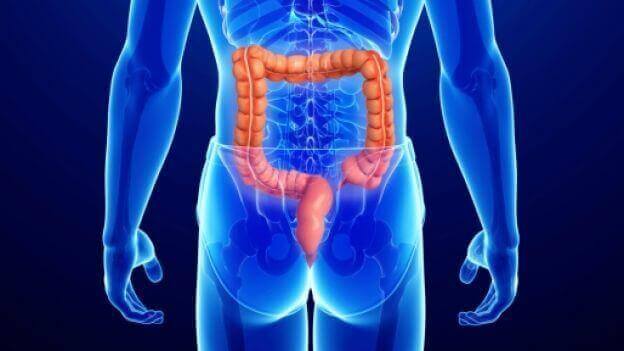
The anus is not just the place in our body where we expel feces; we must remember that it is part of the intestines, more precisely, the large intestine.

Its ring-shaped muscles are made up of numerous cells that can, for various reasons, undergo genetic changes and become dangerous, abnormal, or cancerous cells.

Some of the risk factors can be controlled, but you know that when it comes to cancer, not everything depends on our healthy lifestyle.

There are other factors that we can miss and the disease can develop. That is why it is extremely important to be familiar with its symptoms.

1. Bleeding

Karvene Rak


This is the main symptom you should be aware of. Occasional bleeding can be caused by other factors, so getting a proper diagnosis is extremely important.

  • Sometimes bleeding is caused by hemorrhoids, an infection, or another condition that a specialist will easily diagnose.
  • It is important to consult your doctor as soon as this problem occurs.

2. Feeling bloated

Most patients with anal cancer experience swelling and fullness in the rectal area. This is caused by the collected mass, which causes discomfort and even itching.

  • Sometimes this collected mass obstructs bowel movements to the point that a person may even lose control of their anal muscles.
  • At first glance, this symptom is easy to recognize. But in reality, most people wait up to 6 months before seeing a doctor, when symptoms have increased.

3. The appearance of “warts”

Harnosmilatelna Sistema


Anal cancer is often associated with the appearance of warts in the anal area. These can develop inside the rectum or externally and cause discomfort.

Many patients confuse them with the more common boils, but it is important to go for a checkup.

Don't be afraid to talk to your doctor. It will make things easier for you.

4. Change in bowel movements

We all experience mild disruptions in our bowel movements from time to time. Everyone has experienced temporary constipation or  diarrhea . This is normal.

  • The things that are worrisome are the loss of control over the anal muscles and involuntary leakage.
  • As the tumor grows, the patient may notice liquid discharge in the anus area.

5. Itching

Lower body symptoms include  fatigue in the lower back, stomach tension, and itching in the anus.

  • Itching is often attributed to hemorrhoids, and many people use traditional creams and therapies to relieve discomfort caused by a health problem that is often not shared with others.
  • We must understand the importance and significance of timely consultation with a doctor at the first signs of these symptoms.

Early diagnosis increases the chance of successful treatment.

In a very small number of cases, anal cancer is not diagnosed early, but only at an advanced stage, when the tumor has spread to the lymph nodes. In such cases, much more aggressive treatment is required.

Medicine is evolving every day, with new technologies, therapies, and medications constantly being developed that could cure your problem

9 signs of diabetes that manifest at night: This is important to know!

by


Did you know that some symptoms of diabetes can manifest themselves at night? It's important to understand how this common but serious disease can make itself felt in the dark. Below are the main nighttime signs of diabetes that are worth paying attention to.

  1. Frequent urination at night
    One of the first warning signs is the need to get up several times during the night to go to the bathroom. This may be related to the fact that when blood sugar is high, the kidneys work more actively, expelling excess glucose along with fluids — hence the frequent urges.

  2. Night sweats
    Do you wake up sweating? This could be a sign of nocturnal hypoglycemia — low blood sugar. This condition requires attention, especially if you are taking medication to lower your blood sugar.

  3. Signs of hypoglycemia
    include shaking, sweating, hunger, confusion, blurred vision, and rapid heartbeat. These symptoms can occur even during sleep, when the body also needs stable glucose levels.

  4. Restless Legs Syndrome
    A tingling, aching, or burning sensation in the legs that worsens at rest — a common manifestation of diabetic neuropathy. Damaged nerve endings due to high blood sugar can cause an irresistible urge to move your legs at night.

  5. Sleep apnea:
    If you snore or wake up with breathing stops, it could be a sign of sleep apnea, which is common in people with diabetes, especially those who are overweight. This condition not only interferes with good sleep, but is also associated with metabolic disorders.

  6. Extreme thirst at night
    Do you wake up with a dry mouth and extreme thirst? This could be the result of dehydration due to increased urine output. Such thirst is one of the characteristic symptoms of diabetes.

  7. Constant fatigue
    Even after a seemingly full night of sleep, do you feel exhausted? This may be due to the fact that the body cannot effectively use glucose for energy. It is often associated with insulin resistance or insulin deficiency.

  8. Dry mouth:
    Insufficient saliva production can lead to nighttime awakenings and discomfort. Elevated blood sugar levels reduce saliva production, which can be another indirect sign of diabetes.

  9. Sleep problems
    Sleep disturbances — insomnia, frequent awakenings, or feelings of anxiety — can be related to sudden fluctuations in blood sugar. Hypoglycemia can cause shaking and sweating, and hyperglycemia can cause dehydration and frequent urination.

Conclusion
If you notice one or more of these signs, especially if they recur, do not delay a visit to your doctor. Early diagnosis and proper treatment help keep diabetes under control and help you live a full life

Does Cholesterol Clog Your Blood Vessels? Here Are 5 Products That Clean Them As Effectively As A Toothbrush! ๐Ÿ‘‡

by


When my neighbor, 62-year-old Nikolai Petrovich, was found to have high cholesterol during a routine check-up, he was surprised:
“But I hardly eat fatty foods, I rarely buy sausages!”
The doctor just shrugged. The truth is that cholesterol is a “hidden enemy.” It accumulates slowly and unnoticed, even when a person does not abuse meat or bacon.

Our blood vessels are invisible, but with age they lose their elasticity and become more vulnerable. "Bad" cholesterol gradually deposits on their walls, forming plaques that narrow the passage and interfere with normal blood flow. This is where the risks of hypertension, stroke and heart attack come from.

Fortunately, there is a simple and affordable "protection" — common vegetables that we can find in any store.

Do your dishes need a "cleansing"?

Answer the following questions:

  • Do you have high cholesterol?

  • Do you notice fluctuations in blood pressure, tinnitus, or headaches?

  • Are you out of breath even with light physical activity?

  • Do fried foods and pasta predominate on your menu more than fresh vegetables?

If you answered "yes" at least twice, it's time to think.

5 vegetables that help keep dishes clean

1. Beetroot
Contains fiber and betaine, which improve fat metabolism. Nitrates in beets make blood vessels more elastic and slightly lower blood pressure.
๐Ÿ‘‰ How to consume it: in salads, borscht, vinaigrette, as well as freshly squeezed juice (up to 100 ml per day).

2. Broccoli
They are rich in soluble fiber and antioxidants, which reduce inflammation and strengthen blood vessel walls.
๐Ÿ‘‰ How to consume them: lightly boiled, steamed or added to soup.

3. Garlic
The allicin in garlic helps lower cholesterol and dilates blood vessels.
๐Ÿ‘‰ How to consume it: one clove in a salad or sauce.

4. Onion
Contains quercetin and sulfur compounds that protect the vessels from inflammation.
๐Ÿ‘‰ How to consume it: raw or added to dishes.

5. Spinach
It is rich in folic acid, vitamin K and lutein, which help tone the vessels.
๐Ÿ‘‰ How to consume it: in smoothies, salads or lightly steamed.

What else is important for vascular health?

  • Reduce your intake of sugar and trans fats.

  • Move more — at least 30 minutes of walking daily .

  • Drink enough water.

  • Reduce stress and get enough sleep.

Conclusion

High cholesterol is not a sentence—it's a signal for action.
Common vegetables like beets, broccoli, garlic, onions, and spinach can naturally help cleanse your arteries, improve circulation, and reduce your risk of heart disease.

⚠️ Important: any change in nutrition for cardiovascular problems should be discussed with a doctor or specialist

If your fingers change color, it means you are...๐Ÿ‘‡

by


561444162 816409637631851 622795

Imagine a typical winter day – you go outside without gloves just to get the mail. When you get home, you notice that your fingers have turned white, almost waxy, and then they turn blue… and you wonder what’s going on.

Is it just a cold? Or is it a sign of something more serious? If this sounds familiar, it could be Raynaud's syndrome , a condition that's often underestimated but deserves attention.

When the cold literally "squeezes" your fingers

Raynaud's phenomenon isn't just a winter ailment. It's a vascular disorder in which the small arteries that supply blood to the skin constrict excessively in response to cold or even stress. This phenomenon, known as vasoconstriction , temporarily blocks blood flow to certain parts of the body—most commonly the fingers and toes.

The result: a sudden and dramatic change in skin color. The fingertips turn white or blue, then gradually return to their normal color when warmed. The episode can last from a few minutes to about fifteen .

Symptoms to look out for

Dr. James O'Donovan, a health and aging specialist, points out the typical signs of the syndrome:

  • Color change – the skin goes from white to blue, and sometimes red, after warming.

  • Strong sensation of cold in the fingers and toes.

  • Tingling, prickling, or temporary loss of sensation.

  • In some cases, the nose, lips, or ears are also affected.

For most people, the symptoms are mild—unpleasant but not dangerous. In some cases, however, they can be a sign of a more serious condition.

When should you see a doctor?

Raynaud's phenomenon is not always a stand-alone condition. It can be a secondary symptom of other diseases, especially autoimmune diseases such as scleroderma or lupus. You should see a doctor if:

  • Symptoms are severe or worsen over time.

  • You get these symptoms for the first time after the age of 40.

  • Only one arm or leg is affected .

  • You have joint pain, rash , or muscle weakness.

  • Despite warming, the skin remains pale, painful, or numb for hours.

It is also important to remember that a ring stuck on a swollen finger can cause serious complications and even require emergency medical intervention.

How to respond to a seizure

The first step is to slowly and gradually warm your extremities. Place your hands in your pockets, gently blow on them, or immerse them in warm (not hot!) water to avoid thermal shock.

To prevent future crises, follow a few simple tips:

  • Protect yourself from the cold: wear gloves, thick socks, and use hand warmers.

  • Reduce stress, as it can also trigger symptoms.

  • Avoid caffeine, tobacco , and some vasoconstrictor medications , which can increase artery spasms.

What to do if that's not enough?

In most cases, Raynaud's syndrome is mild and temporary. But if it interferes with your normal life, your doctor may prescribe vasodilators , medications that improve blood circulation in your extremities.

If you live in France, you can contact a medical professional on number 15 , or consult online through telemedicine platforms if access to a doctor is difficult.

Don't underestimate your body's signals

Our hands are often the first to give us a signal that something is wrong. If their color changes, it's not just from the cold - it could be a sign of vascular dysfunction.

Listen to your body and don't hesitate to seek medical attention if your symptoms are concerning. Sometimes a simple tingling sensation can be the first step to a deeper understanding of your healt

Against cancer and dementia: The most beneficial drink for the brain and heart is…

by


1920x1080 2.jpg

It may seem strange, but tea leaves contain more caffeine than coffee beans. However, when brewed, the caffeine in the tea combines with tannins (tannins) to form caffeine tannate. It does not have such a pronounced tonic effect.

“Caffeine tannate, also called theine, has a milder effect (mainly on the heart). It is excreted from the body faster, which prevents its accumulation. And, unlike pure caffeine, it does not have such a bitter taste,” said expert and Doctor of Biological Sciences Mikhail Goncharov.

In addition to caffeine, this drink contains many polyphenols, which are antioxidants. They help neutralize free radicals (reactive oxygen species) that trigger the oxidation process.


Oxidative stress is believed to be linked to the development of cardiovascular disease, cancer, and Alzheimer's disease. Therefore, drinking antioxidant-rich tea can be considered a preventive measure against cancer and dementia.

"Tea contains polyphenols from different groups. These are mainly flavonoids from the catechin group. During fermentation, they can turn into more complex substances: theaflavins and thearubigins. Another group of polyphenols in tea are tannins. This is a compound of catechins with gallic acid. They are what gives tea its tart taste," says the specialist.

A study by the Poznaล„ University of Life Sciences showed that yellow tea contains the most antioxidants, while black tea contains the least.

A study from the University of Texas found that the compound epigallocatechin-3-gallate (EGCG) in green tea inhibits the formation of new blood vessels, which are necessary for the growth of cancerous tumors, and slows the spread of cancer cells throughout the body (metastasis). In addition, the catechins in green tea stop cancer cell division and trigger their programmed cell death.

A 2022 meta-analysis confirmed that this drink affects key cardiometabolic indicators:

– body mass index,

– blood pressure,

– glycemic status,

– lipid profile.

The study authors concluded that those who regularly drink green tea are less prone to obesity, spikes in glucose levels, and elevated levels of “bad” cholesterol.

"The most beneficial for the heart are complexes of tannins with caffeine (caffeine tannate), which dilate blood vessels, relieve spasms, and normalize blood pressure. And also catechins, which strengthen capillaries," says Mikhail Goncharov.

A study by Guilan University of Medicine in Iran found that regular tea consumption (especially green tea) can reduce systolic (upper) blood pressure by 3 mmHg and diastolic (lower) blood pressure by 1 mmHg. However, for a significant effect, the tea must be drunk for more than three months

7 foods with anti-cancer effects that you probably haven't heard of ๐Ÿ‘‡

by


We are exposed to numerous carcinogenic factors every day — in the air we breathe, in the food we eat, and even in the products we use every day. Gradually, these harmful substances accumulate in the body until one day they lead to the development of cancer. But including anti-cancer foods in the diet can significantly reduce this risk.

Nutrition and cancer

Choosing the right foods can significantly increase your chances of preventing, and even fighting, cancer.
If your diet is dominated by fried, processed, and refined foods, your body begins to accumulate toxins, bacteria, fungi, and viruses. The chemicals in these foods can cause mutations in DNA and promote the growth of cancer cells. In addition, these types of foods create an acidic environment in the body—an environment in which malignant cells thrive more easily.

Poor nutrition can even render alternative cancer therapies useless. Studies show that an unhealthy diet and lack of physical activity are two of the main risk factors for the occurrence of cancer.

For example, studies of colorectal cancer (the third most common cancer in men) found that consuming just 50 grams of processed meat per day increased the risk by about 20%. This is due to the nitrates and iron content in such products.

Weight control is also important. A study published in The Lancet (2014) showed that gaining about 15 kg increases the risk of colon, gallbladder, kidney and liver cancer by at least 10%.

Top 7 Anti-Cancer Foods

๐Ÿฅฆ 1. Cruciferous vegetables

Cabbage, broccoli, cauliflower, Brussels sprouts, radishes, mustard, horseradish, kale, etc.
These vegetables are rich in glucosinolates , which help remove carcinogens from the body and reduce the risk of cancer.

Sulforaphane (found in large quantities in broccoli sprouts) inhibits the growth of cancer cells, promotes their death, and stimulates detoxification processes.
Indole-3-carbinol (I3C) lowers estrogen levels and protects against hormone-dependent tumors (breast, ovarian, prostate cancer).

How to eat:
Eat them raw or lightly steamed. Add broccoli sprouts — they contain up to 100 times more sulforaphane than the mature plant.

๐ŸŒฟ 2. Turmeric

Its active ingredient, curcumin , is among the most researched natural anti-cancer compounds.

  • Suppresses the growth of tumors.

  • Causes the death of cancer cells.

  • It prevents the formation of new blood vessels that feed the tumor.

  • Reduces inflammation – one of the main factors in the development of cancer.

  • It enhances the effect of chemotherapy and radiotherapy, while protecting healthy cells.

How to consume:
In the form of "golden milk", tea with turmeric and black pepper, a spice for dishes (e.g. curry) or as a curcumin supplement (always combined with black pepper for better absorption).

๐Ÿ‡ 3. Wild berries

Blueberries, raspberries, blackberries, cranberries, strawberries, elderberries, etc.

  • Blueberries contain pterostilbene, a substance that causes cancer cell death.

  • Raspberries are rich in ellagic acid, which inhibits the growth of tumors.

  • Wild fruits have more antioxidants and phytonutrients than cultivated varieties, as well as fewer pesticides.

How to consume:
Fresh, frozen, in smoothies, in the form of powders or extracts.

๐Ÿง„ 4. Garlic

It contains over 200 active compounds and is effective against stomach, intestinal and esophageal cancer.

  • Blocks the formation of carcinogens in food.

  • It inhibits the growth of tumor cells and stimulates their destruction.

  • It destroys the bacterium Helicobacter pylori , which causes gastritis and can lead to stomach cancer.

  • Reduces inflammation and strengthens the immune system.

How to consume:
Best raw – let it sit for 10 minutes after cutting. Add it to dishes, use garlic oil or extracts.

๐Ÿˆ 5. Graviola (guanabana, soursop)

A tropical fruit with a spiny green peel and a soft, aromatic interior.

  • It contains acetogenins , which suppress the growth of tumors.

  • Studies show that graviola seed extract is up to 10,000 times more potent than some chemotherapy drugs against colon cancer.

  • It also works effectively against breast cancer by suppressing oncogenic cells.

How to consume:
Fresh fruit (if available), leaf tea or dietary supplements – only from reliable producers.

๐Ÿ„ 6. Medicinal mushrooms

  • Chaga – a powerful antioxidant, protects DNA from damage and destroys cancer cells.

  • Reishi ("the mushroom of immortality") – suppresses metastasis and is effective in breast, prostate, liver, and lung cancer.

  • Shiitake – contains lentinan, which stimulates immunity and fights leukemia.

How to consume:
In the form of decoctions (reishi, chaga), as an additive to dishes (shiitake), or in the form of extracts and powders.

๐ŸŒถ 7. Ginger

It contains active substances such as gingerol , shogaol and paradol .

  • It suppresses the growth of tumors and helps destroy cancer cells.

  • Shogaol blocks cancer stem cells that can cause relapses.

  • Reduces inflammatory processes and prevents metastasis.

How to consume:
In the form of tea, smoothies, ginger shots with lemon and turmeric, in soups and dishes, or as a powder.

Conclusion

No single food can completely prevent cancer,
but regular consumption of cruciferous vegetables, turmeric, berries, garlic, graviola, medicinal mushrooms, and ginger can significantly reduce the risk of developing cancer and strengthen the immune system.